

The white coat of a German Shepherd often turns heads, its striking color setting it apart from the traditional tan and black markings we’re so accustomed to. However, this uncommon coat color has been at the center of spirited debates among breed enthusiasts and kennel clubs around the world.
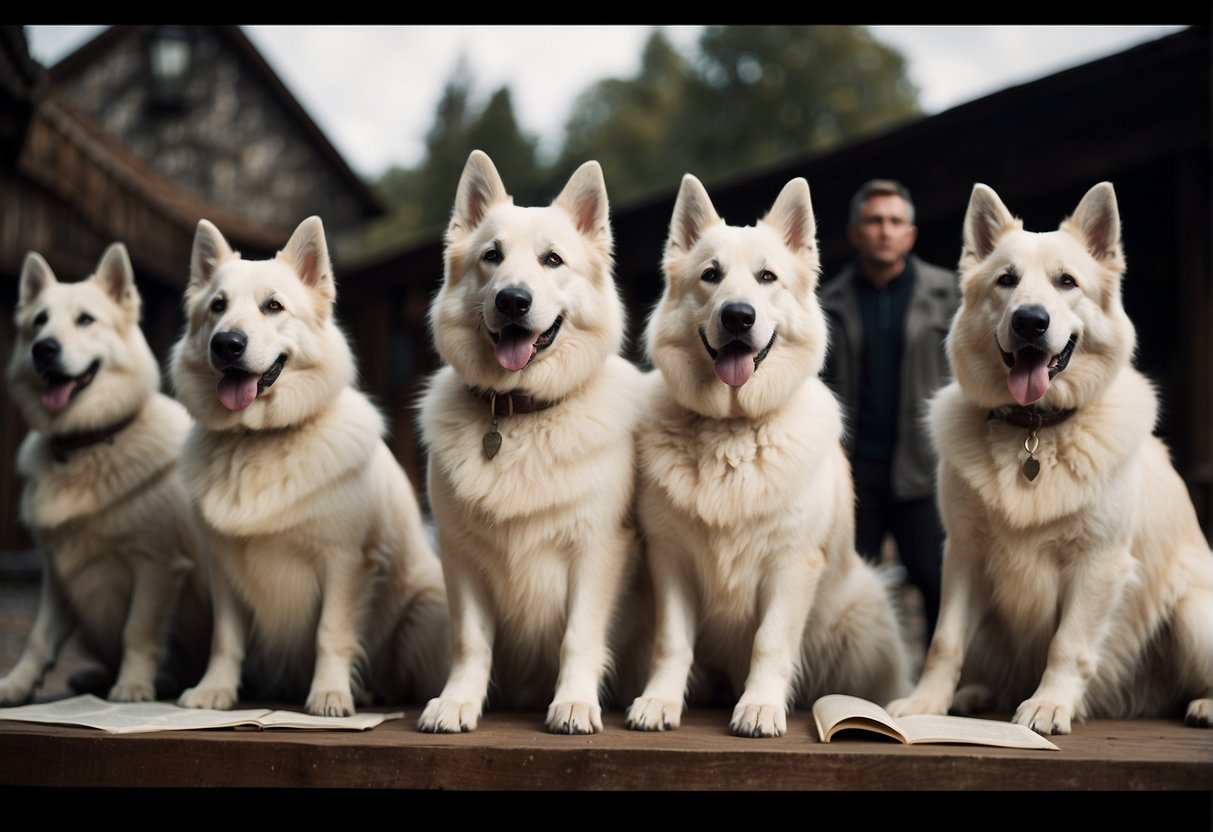
As a German Shepherd owner and devotee, let me share a bit of the backstory. White German Shepherds have walked through history with a cloud of controversy tailing their distinct coat. It all started in the early 20th century when the breed’s standards began to take shape, and certain coat colors, including white, were earmarked as undesirable.
This differentiation wasn’t based on health or temperament, but purely on aesthetics favored by breeders and show aficionados.
Have you ever wondered what’s behind the pale hue of these elegant dogs and why it stirs such strong opinions?

Walking through a dog park, you might be struck by the sight of a German Shepherd with a coat as pure as winter snow. It’s not your everyday German Shepherd; this is the White German Shepherd, a pup with a controversial hue that has a unique story to tell.
Origins of the White German Shepherd
Walking through a dog park, you might be struck by the sight of a German Shepherd with a coat as pure as winter snow. It’s not your everyday German Shepherd; this is the White German Shepherd, a pup with a controversial hue that has a unique story to tell.
Genetic Roots
At the heart of the White German Shepherd lies a simple genetic truth: the white coat is the result of a recessive gene. This gene masks the true color of the dog, causing the fur to appear white. The presence of white-coated German Shepherds has been historically documented, with the gene believed to have been around as long as the breed itself.
Max von Stephanitz, who is credited with developing the German Shepherd Dog breed, noted white-coated dogs in the breed’s gene pool as early as the 19th century.
- Historical presence: As far back as the 19th century
- Genetic cause: Recessive gene masks the dog’s true color
Recognition and Breed Standards
When it comes to official recognition, the pure white coat of these German Shepherds has led to heated debates. Initially, white-coated German Shepherds were allowed in show rings. However, the breed standard later evolved, leading to disqualification of white-coated variants from many kennel clubs.
The American Kennel Club (AKC) still recognizes White German Shepherds but categorizes them as a disqualifying fault in the show ring. Despite this, various clubs and organizations have developed around the world to support and recognize the White German Shepherd as a distinct breed.
- Initial Status: Recognized in early show rings
- Current View: Disqualified by many kennel clubs, but still supported by dedicated breed clubs

White coats in German Shepherds often stir a mix of admiration and controversy, with cultural views shaping perceptions about these striking canines.
Symbolism and Mythology
In many cultures, white is a symbol of purity and virtue, which can translate to a reverence for animals bearing this color. German Shepherds with white coats have occasionally been intertwined with mythology, viewed as spirit animals or guardians due to their ethereal appearance. For example:
- Norse Mythology: Associated with light and protection, invoking a sense of guardianship.
- Native American Beliefs: Revered as spiritual guides, often signaling change or enlightenment.
Global Perceptions
Across the globe, white German Shepherds evoke a range of responses, influenced by local customs and beliefs. Here’s how different regions perceive these dogs:
- Europe: Historically met with skepticism, doubted for their working abilities solely due to coat color.
- North America: A growing acceptance and fascination, with some admirers explicitly seeking white German Shepherds.
- Asia: In some parts, considered rare and luxurious, thus highly prized.

In the world of German Shepherds, the discussions surrounding white coats have been as vivid as the color itself. You might wonder what the hue and cry are about, so let’s clear the air.
Breed Purity Concerns
White German Shepherds have been part of the breed’s lineage since its inception. However, the color sparked debate in the mid-20th century when breed standards began disqualifying white from conformation showing.
Key Arguments:
- Breed Standard Advocates claim that white is not representative of the working German Shepherd’s heritage.
- White GSD Proponents argue for diversity, noting that color does not affect temperament or ability.
What does this mean for you? If you’re faced with choosing a pup, understand that concerns about breed purity are largely a matter of aesthetics versus heritage. The choice is yours, and both paths afford the loyal companionship of a German Shepherd.
Health Matters
Health is a paramount concern for all dog owners, and controversies extend to the health of white German Shepherds.
Frequent Health Concerns:
- Some suspect these dogs are more prone to deafness and skin conditions due to their light pigmentation.
- Research has not conclusively proven these claims, and many white German Shepherds live full, healthy lives.
How does this affect your choices? Don’t be swayed by myths. If you’re considering a white German Shepherd, prioritize health screenings and seek a reputable breeder. Remember to consult your vet for the best health practices.
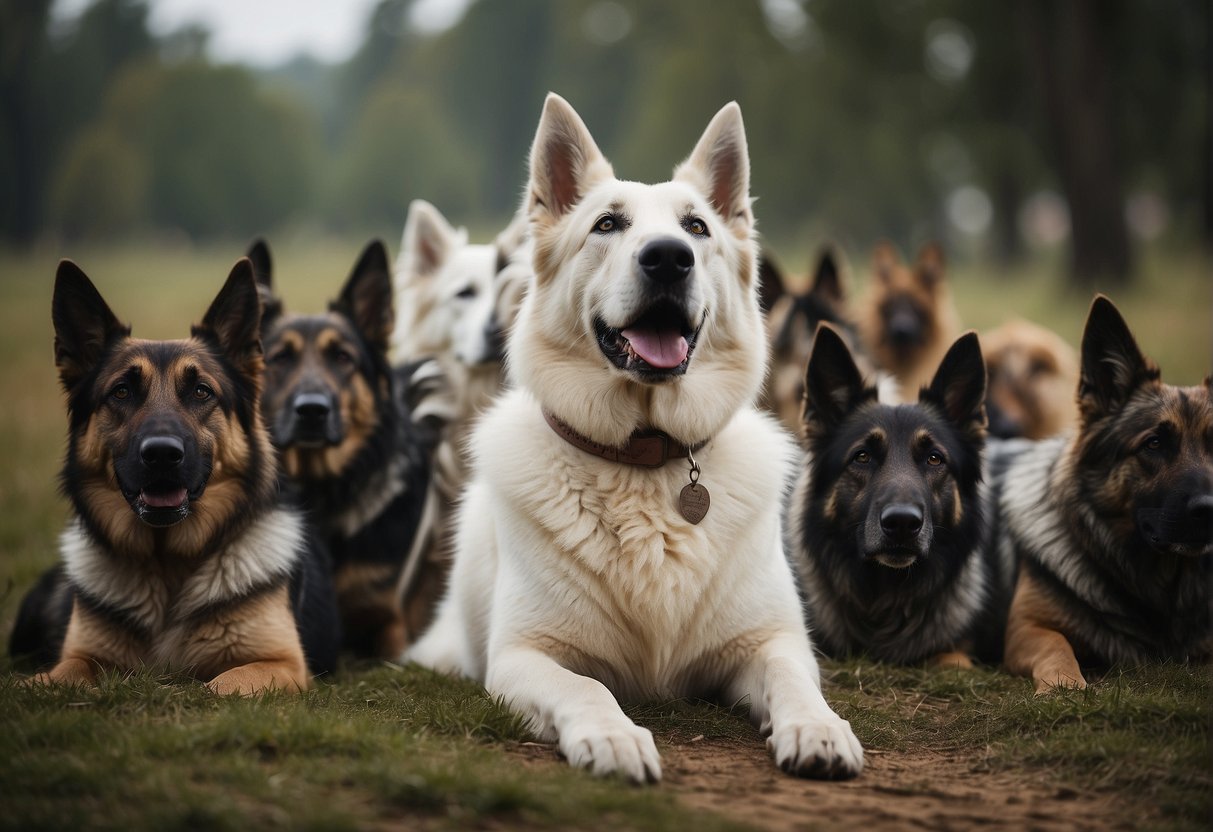
When you hear about White German Shepherds, you may not be aware of the efforts behind their recognition. From individuals to groups, there’s a wave of support advocating for their place in the dog world.
Prominent Figures
- Max von Stephanitz: The father of the German Shepherd breed who emphasized utility over color.
- Anne Tracy: A notable breeder and supporter of White German Shepherds, advocating for their recognition.
Clubs and Organizations
- White German Shepherd Dog Club International (WGSDCI): Dedicated to promoting the breed.
- Mandate: Recognition and standardization of the White German Shepherd.
- Activities: Breed shows, informational resources, and support for owners.
Did you know once there was a time when White German Shepherds were at risk of being outcast from their own breed standards? If you’re captivated by their beauty and intrigued by their controversy, you might wonder what you can do to help. Have you considered joining a club or learning more from influential figures in the breed’s history?
White German Shepherds in Popular Culture
The impact of White German Shepherds in popular culture has been distinct and influential, with appearances in media and ownership by renowned celebrities shaping perceptions of this unique variant.
Media Representation
White German Shepherds have captivated audiences with their striking appearance and have been featured in various forms of media. For instance, “White Dog”, a film released in 1982, showcased a White German Shepherd in a pivotal role, bringing this breed’s image into the public eye.
More recently, the breed has appeared in television series and online platforms, often praised for their noble and intelligent demeanor. This exposure has significantly influenced public opinion and increased interest in the breed.
Celebrity Ownership
The allure of White German Shepherds has not been lost on celebrities, often seen as symbols of elegance and rarity. Celebrities such as Tom Hanks and Whoopi Goldberg have been known to own and cherish these dogs, sharing their lives with the public and further endorsing the breed’s charm.
- Tom Hanks reportedly found his White German Shepherd, Biaggio, as a stray and provided a loving home.
- Whoopi Goldberg’s public appearances with her White German Shepherds have often highlighted the close bond they share.
This celebrity endorsement contributes to their desirability, but I remind you that while they are beautiful, owning a White German Shepherd requires commitment and responsible care. Did you know that owning this breed might prompt conversations wherever you go?
Impact on Canine Genetics
White German Shepherds have played a significant role in shaping what we know about canine genetics today.
Selective Breeding
Selective breeding has been the compass for the White German Shepherd’s journey through history. It’s fascinating how the simple presence, or absence, of a single gene can lead to such a striking variation in color.
- Color Genetics: The gene responsible for their white coat doesn’t affect their overall health.
- Breed Standards: Some breed clubs have disqualified white, leading to focused breeding to preserve or eliminate the color.
Diversity in the Gene Pool
The genetic diversity within German Shepherds, like the introduction of the white gene variant, holds both potential benefits and challenges.
- Positive Effects: Enhanced genetic variation can contribute to a robust gene pool. It can possibly reduce the occurrence of inherited diseases.
- Negative Effects: Monitoring is crucial. This is because narrowing the gene pool could increase health risks.
If you’ve ever wondered whether a white German Shepherd is right for you, think about the genetic implications. Also, consider the rich history that comes with this unique coat color. How might this choice influence the larger breed gene pool?
Looking Ahead
As we consider the journey of White German Shepherds, it’s not just about where they’ve been—it’s where they’re going. This section explores the evolving perceptions and the potential paths forward for this distinctive variant of the breed.
Changing Attitudes
Attitudes toward White German Shepherds have varied over the years, impacted by breed standards and popular opinion. However, recent trends signify a shift:
- Acceptance: Growing visibility is gradually reducing longstanding stigmas against White German Shepherds. This is evident in both dog shows and public perception.
- Advocacy: Dedicated breeders and owners are advocating for the recognition of the White German Shepherd’s unique qualities. They are also advocating for its contribution to the breed’s diversity.
Future of the Breed
Concerning the future of White German Shepherds, there are concrete developments to observe:
- Breed Clubs: Supportive breed clubs are uniting White German Shepherd enthusiasts. They are fostering a community dedicated to the health and preservation of these dogs.
- Standard Revision: There is ongoing discussion about breed standards. The discussion includes the possibility of more inclusive language that embraces color diversity.