

The influence of German Shepherds on modern dog breeding practices is both profound and far-reaching.
As I watch my own German Shepherd bound across the yard with that distinctive, effortless gait, it’s a reminder of how this breed has shaped canine legacies worldwide. A German Shepherd isn’t just a pet; it’s a symbol of versatility, intelligence, and steadfast loyalty.
In the sphere of dog breeding, German Shepherds have been akin to a blueprint for creating working dogs that excel in a variety of disciplines.
From their early origins in the late 19th century, these dogs have set the standard for traits like trainability, temperament, and physical prowess.
Breeders have often turned to German Shepherds when aiming to improve these aspects within other breeds, acknowledging the immense impact they’ve had on the canine world.
Pulling from my years of experience with these majestic animals, I’ve witnessed first-hand their influence.
I remember reading once how German Shepherds served during the wars, their roles ranging from Red Cross duties to sentry work, and thinking about the incredible versatility that has made them a go-to choice for police and service work even today.
Did you know that because of their keen senses and intelligence, they’ve been integral in shaping programs for dogs in search and rescue missions?
As we uncover the layers of the German Shepherd’s contributions to dog breeding, you’ll see why this breed continues to be revered and emulated across the globe.
Historical Emergence of German Shepherds
German Shepherds have shaped canine lineages worldwide, tracing back to late 19th-century Germany, influencing modern breeding through their intelligence and versatility.
Origins and Early Development
The German Shepherd breed was conceived in the 1890s in Germany, primarily due to the efforts of a military officer named Max von Stephanitz.
His goal was to develop a dog breed that excelled in intelligence, agility, and obedience for herding purposes. To do so, he selected local shepherd dogs from different regions, focusing on working abilities rather than appearance.
The result was a versatile working dog — a trait that underpins their popularity to this day.
One specific dog, named Horand von Grafrath, is considered the first German Shepherd and the breed’s progenitor. This dog’s traits set the standard for the breed, leading to its official recognition by the Verein für Deutsche Schäferhunde (Society for the German Shepherd Dog) in 1899.
Horand’s lineage was meticulously documented, with an emphasis on the selective breeding of desired characteristics.
Role in Dog Breeding Evolution
German Shepherds played a significant role in the evolution of dog breeding practices through their early use in various roles.
Breeders soon realized the importance of breeding for specific traits such as intelligence, temperament, and physical prowess. This marked a shift from breeding dogs solely for appearance to a more functional and performance-based approach.
Their adaptability secured their use beyond herding, including roles in:
- Military: Crucial tasks like message delivery, guarding, and rescue missions.
- Police Work: Including search and rescue, detection, and patrol duties.
- Service dogs: Assistance for disabled individuals, showcasing their trainability and compassion.
This functional breeding approach pioneered with German Shepherds has since become a blueprint for developing new breeds and refining existing ones, aiming for dogs that excel in various specialized roles.
Genetic Contributions to Canine Breeds
German Shepherds have profoundly impacted modern dog breeding, leaving a notable mark on a variety of canine breeds through their distinct genetic traits.
Physical Characteristics
German Shepherds contribute robust genetic traits that are selected to enhance the physicality in other breeds. Here are some key characteristics they pass on:
- Size: They often introduce larger size, contributing to the development of breeds that require stature for work or show purposes.
- Coat: The dense double coat of a German Shepherd is not only striking but has been bred into other dogs for better insulation and protection.
Temperament and Behavior
The impact of German Shepherd genetics extends beyond physical traits into the realm of canine behavior.
- Intelligence: Known for their high intelligence, German Shepherds pass this trait on to other breeds, enhancing their trainability and versatility in various roles.
- Work Ethic: Their genetic influence promotes a strong work ethic in breeds used for policing, service, and herding activities.
When considering the influence of German Shepherds on your dog’s lineage, what traits do you see reflected? How do these genetic contributions shape the way you train and interact with your pet?
Advancements in Breeding Techniques
German Shepherds have been pivotal in shaping modern dog breeding techniques. The key advancements include state-of-the-art genetic understanding and the refinement of selective breeding approaches for health and temperament.
Influence of German Shepherd Genetics
German Shepherd DNA has been extensively studied, leading to a better grasp of genetic health markers and inheritable traits. This meticulous genetic screening has brought to light:
- Key Genetic Markers: A set of specific genes related to common disorders like hip dysplasia and Degenerative Myelopathy that breeders can now screen for before breeding.
- Trait Selection: Advanced knowledge of coat color, coat type, and even behavioral tendencies, allowing breeders to make informed decisions about future litters.
Selective Breeding and Lineage Preservation
Selective breeding within the German Shepherd gene pool has become more sophisticated over time. This process is defined by:
- Health Prioritization: Focusing on individuals with a history of good health to increase the likelihood of healthy offspring.
- Lineage Tracking: Utilizing detailed pedigree information to preserve desirable traits and avoid inbreeding complications.
If you’re a prospective German Shepherd owner or breeder, ask yourself how these genetic considerations might influence your decisions. Are you equipped with the know-how to select a pup whose lineage has been thoughtfully managed?
German Shepherds in Popular Culture
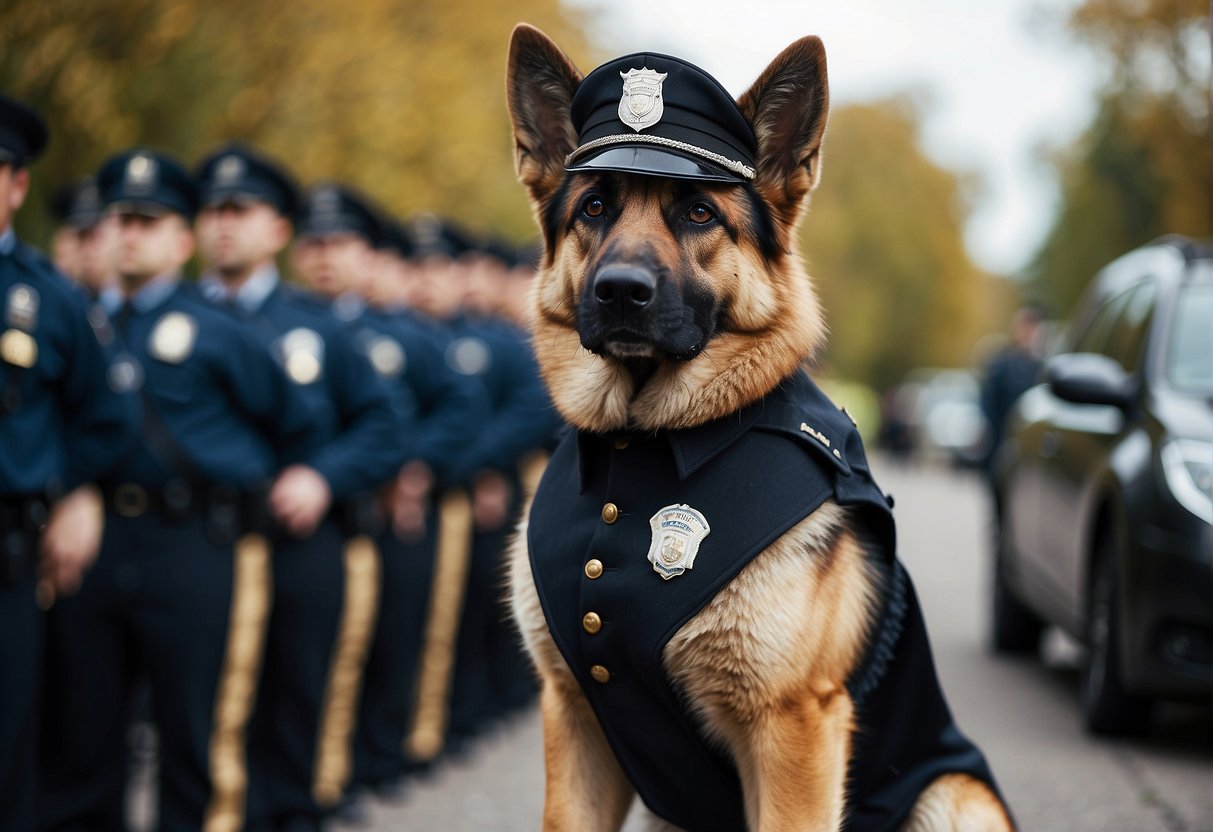
German Shepherds have not only served as loyal companions but also as cultural icons in various forms of media. This prominence has significantly shaped public perception and admiration for the breed.
Media Representation
German Shepherds have a storied history in media, often cast as heroic figures.
In television, Rin Tin Tin is a notable German Shepherd from the early Hollywood era, gracing the silver screen and capturing hearts worldwide. This canine star was known for his intelligence and bravery, often playing roles that showcased these traits.
Similarly, Inspector Rex is a more contemporary example from a European TV show, displaying the breed’s detective-like instincts and loyalty.
The film industry has also contributed to the German Shepherd’s media presence with movies like I Am Legend, where the dog’s role was crucial to the protagonist’s survival and emotional narrative. This led to an increased demand for the breed as people sought dogs with similar admirable qualities.
Public Perception
The media’s portrayal of German Shepherds has entrenched them as a symbol of courage, intelligence, and fidelity.
This perception is seen in everyday life, where they are commonly employed in roles that require such traits, for instance, police and service dogs. The breed’s consistent presence in such roles reinforces the public’s view of them as dependable and protective animals.
On a more community-focused level, German Shepherds are often involved in search and rescue operations, which enhances their reputation for being highly trainable and dedicated dogs. Local news stories frequently feature these canines, lending to a narrative of heroism and service that surrounds the breed.
Contemporary Breeding Debates
In the world of German Shepherds, contemporary breeding debates often center around the issues of maintaining pure breeds versus embracing mixed breeds, as well as the impact of breeding practices on the health and longevity of these dogs.
Purebred Versus Mixed Breed Controversy
The German Shepherd has long stood as an epitome of canine excellence, prized for its intelligence, strength, and versatility. This admiration has fueled a strong demand for purebred German Shepherds.
However, there’s a growing sentiment that mixed breeds—which combine traits from different breeds—can also offer unique advantages, such as greater genetic diversity and potentially fewer inherited health problems.
- Purebred Advantages:
- Predictable physical traits and temperament
- Pedigree lineage for competitive showing and breeding
- Mixed Breed Advantages:
- Increased genetic diversity
- May have fewer genetic health issues due to hybrid vigor
Have you considered which might be a more responsible or practical choice for your circumstances?
Health Issues and Breed Longevity
Focused breeding has honed the German Shepherd’s capabilities, but it also comes with a downside.
Intensive breeding for particular traits can lead to a prevalence of inheritable health issues within the breed, like hip dysplasia or degenerative myelopathy.
Breed Health Concerns:
- Hip and elbow dysplasia
- Degenerative myelopathy
- Gastric issues
In response, many breeders and German Shepherd enthusiasts advocate for health-focused breeding practices, prioritizing longevity and well-being over aesthetic traits.
But have you wondered what steps you might take to ensure your German Shepherd is from a lineage with fewer health issues?
International Impact on Dog Breeding
German Shepherds have not only influenced dog breeding practices in their homeland but across the globe. They have been pivotal in shaping the modern canine landscape through their versatility and desirable traits.
Adaptation in Diverse Climates
German Shepherds are renowned for their adaptability, thriving in various environments worldwide. This adaptability has led to their integration into breeding programs in diverse climates.
From the cold reaches of Scandinavia to the heat of African nations, German Shepherds have been successfully bred in various climates.
- Cold Climates:
- Thick double coats: Protects from icy temperatures.
- High energy: Allows them to stay active despite the cold.
- Hot Climates:
- Lighter coats: Developed in warmer regions for better heat dispersion.
- Behavioral adjustments: Siestas during peak heat to conserve energy.
Their physical and behavioral flexibility has helped improve the resilience and adaptability of local dog breeds when selectively mixed with German Shepherds.
Global Spread and Local Variations
The German Shepherd’s popularity has seen them spread far beyond Germany, taking root in countries across every continent.
- Americas:
- Working roles: Valued for police and service work.
- Show lines: Emphasis on appearance has led to distinctive features.
- Europe:
- Working lines: Bred for high performance in fieldwork and sports.
- Regulation diversity: Breeding standards can vary significantly between countries.
- Asia and Oceania:
- Companion animals: Increasing popularity in homes.
- Crossbreeding: Local breeds have been crossbred with German Shepherds for specific traits, creating unique mixes.
This global dispersion has resulted in a variety of German Shepherd lines, each with characteristics tailored to local preferences and needs.
Future of Dog Breeding
Looking ahead in the world of dog breeding, particularly focusing on German Shepherds, two key areas stand out: technological innovations and ethical considerations. These aspects are shaping the way we pursue dog breeding practices for healthier, happier dogs.
Technological Innovations
- Genetic Testing:
One advancement that has revamped breeding practices is genetic testing. This allows you to understand the genetic makeup of your German Shepherd, ensuring you can select mates that will reduce the risk of hereditary diseases.
- Artificial Intelligence:
AI is helping breeders by analyzing vast amounts of data to recommend optimal breeding pairs, track genetic conditions, and even predict future health outcomes for breeds like German Shepherds.
Ethical Considerations in Breeding Practices
- Health Over Aesthetics: A shift is happening where the health and wellbeing of dogs, including German Shepherds, are prioritized over their physical attributes when it comes to breeding.
- Regulations and Standards: As more awareness is raised, you’ll encounter stricter regulations and standards for breeding practices. These ensure that ethical considerations are at the forefront of breeders’ decisions.
What steps can you take to ensure the ethical treatment of German Shepherds in the breeding process?