

Imagine going back to late 19th-century Germany, where the story of the German Shepherd begins. It was there that the breed’s journey started, driven by a desire to cultivate the ultimate herding dog, an animal that would epitomize intelligence, loyalty, and versatility.
Click here to learn more about German Shepherd behavior.
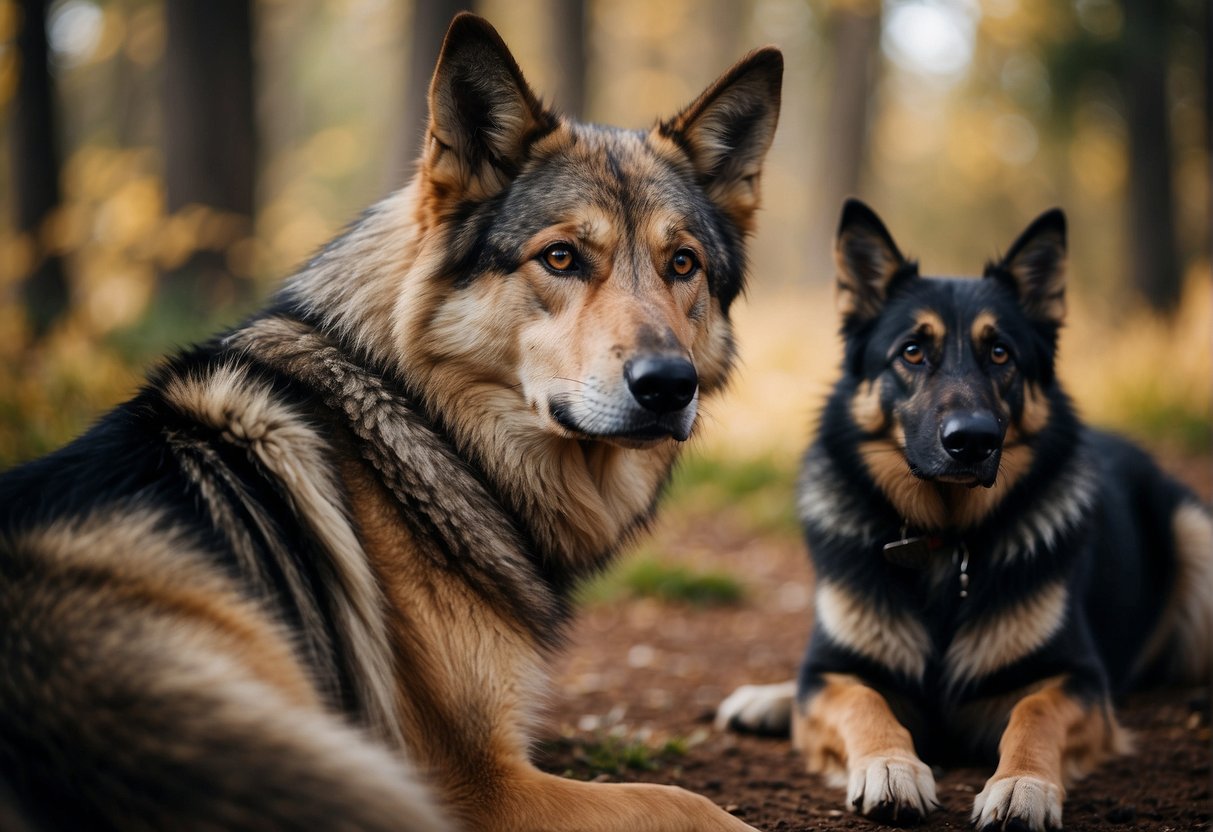
The mastermind behind the German Shepherd was a man named Max von Stephanitz, who, upon witnessing a dog named Hektor Linksrhein at a dog show, saw the embodiment of his vision for a perfect working dog.
I still marvel at the dedication to the idea of an all-around utility dog that could effortlessly switch roles between herder, protector, and service animal.
Von Stephanitz’s passion ensured that the German Shepherd’s abilities would align perfectly with the demands of modern life.
As a fellow German Shepherd enthusiast, you might appreciate the breed’s rigorously maintained qualities: their intelligence, strength, and obedience.
But have you ever wondered how these traits have remained so prominent over the years, or what early training techniques were used to hone them?
Stick with me, and we’ll explore how breeding strategies and training methods from over a century ago have shaped the loyal companion snoozing at your feet.
Early Beginnings
As you embark on understanding the German Shepherd’s past, imagine the rolling hills of 19th century Germany, where the tale of this noble breed began.
The German Shepherd’s Ancestry
German Shepherds trace their lineage back to a variety of shepherd dogs across Germany, each with distinct characteristics tailored to their regional needs.
These dogs weren’t bred for beauty but for their work ethic and intelligence.
Key Ancestral Traits:
- Intelligence: Vital for problem-solving during herding.
- Strength: Essential for enduring long working hours.
- Sensory Skills: Sharp senses helped in guardianship.
These ancestral dogs set the groundwork for what would become a breed known for versatility and tenacity.
Max von Stephanitz and the Breed’s Foundation
The pivotal figure behind the German Shepherd breed is Max von Stephanitz. An ex-cavalry captain and former veterinary student, von Stephanitz had a vision of the ideal working dog. He believed that dogs should be bred for working abilities rather than appearance.
Important Milestones:
- 1899: Von Stephanitz purchased a dog named Hektor Linksrhein, later named Horand von Grafrath, who became the first registered German Shepherd.
- The Society for the German Shepherd Dog: Founded by von Stephanitz to ensure the breed’s development adhered to his strict standards for utility and intelligence.
By prioritizing function and character, von Stephanitz laid the foundation for the German Shepherd breed that you may have come to admire today.
Have you ever looked at your German Shepherd and wondered what tasks their ancestors were bred for?
Breed Standardization
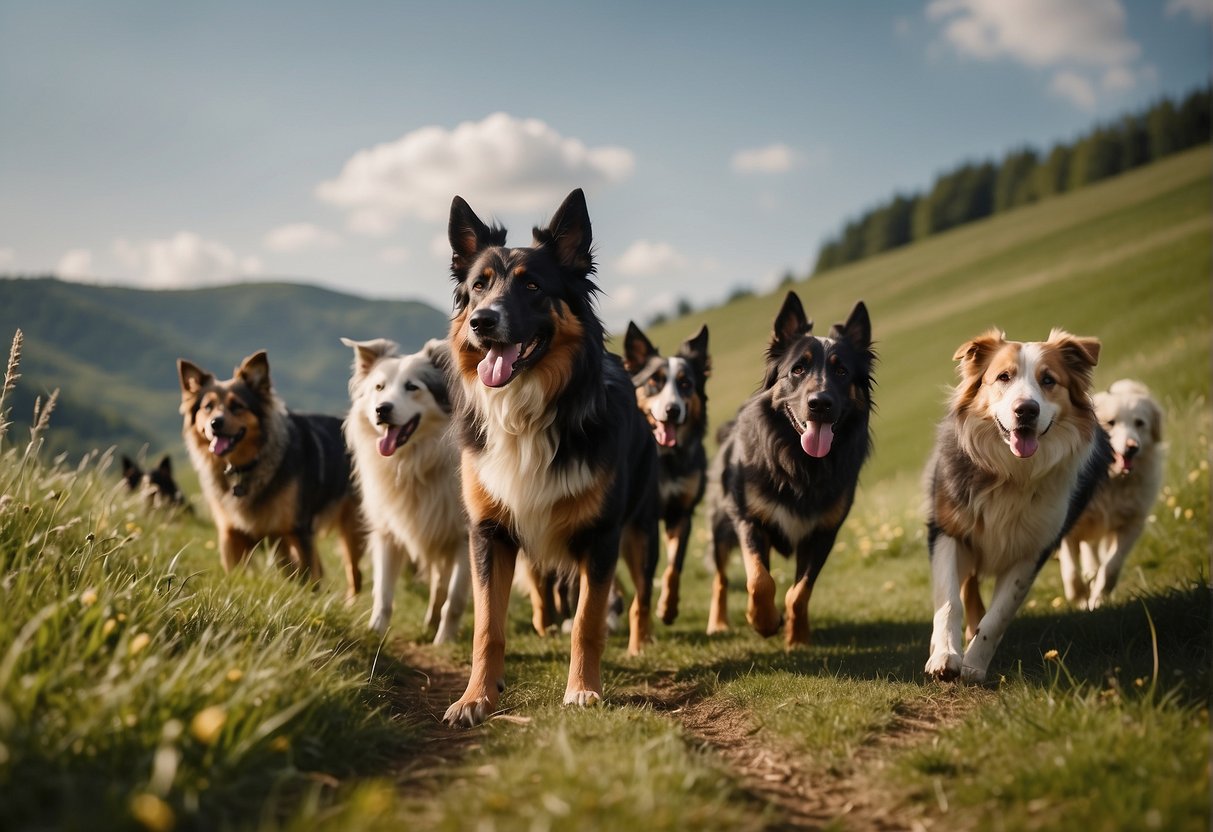
When you embark on learning about the fascinating German Shepherd breed, understanding how they were standardized is paramount. This ensures the qualities we admire remain consistent across the breed.
The SV and its Role
The Verein für Deutsche Schäferhunde (SV), which translates to the German Shepherd Association, was established in 1899 by Max von Stephanitz. Recognizing the need for standardized breeding, he and his colleagues set forth guidelines that would define the German Shepherd’s physical and temperamental traits.
- The SV’s goals were to:
- Maintain the breed’s working ability
- Establish a uniform appearance
- Encourage responsible breeding practices
Official Breed Standards
In 1901, the first breed standard for the German Shepherd was introduced. This detailed description serves as a blueprint for the breed, outlining:
- Ideal characteristics: such as intelligence, strength, and agility
- Physical attributes: like the shape of ears, length of tail, and color of coat
With precise measurements and descriptions, it became the benchmark for breeding and judging German Shepherds in shows and competitions.
International Recognition
As the breed’s popularity grew, the standards set by the SV were adopted globally. Internationally recognized organizations, such as the Fédération Cynologique Internationale (FCI), embraced these guidelines which led to:
- Worldwide uniformity in breeding German Shepherds
- Increased interest in the breed across continents
Today, German Shepherd enthusiasts and breeders adhere to these standards to maintain the integrity of the breed. Whether you’re looking to show your German Shepherd or simply understand them better, familiarizing yourself with these standards could be greatly beneficial. Have you ever noticed how well German Shepherds across the world conform to these standards?
The German Shepherd’s Popularity
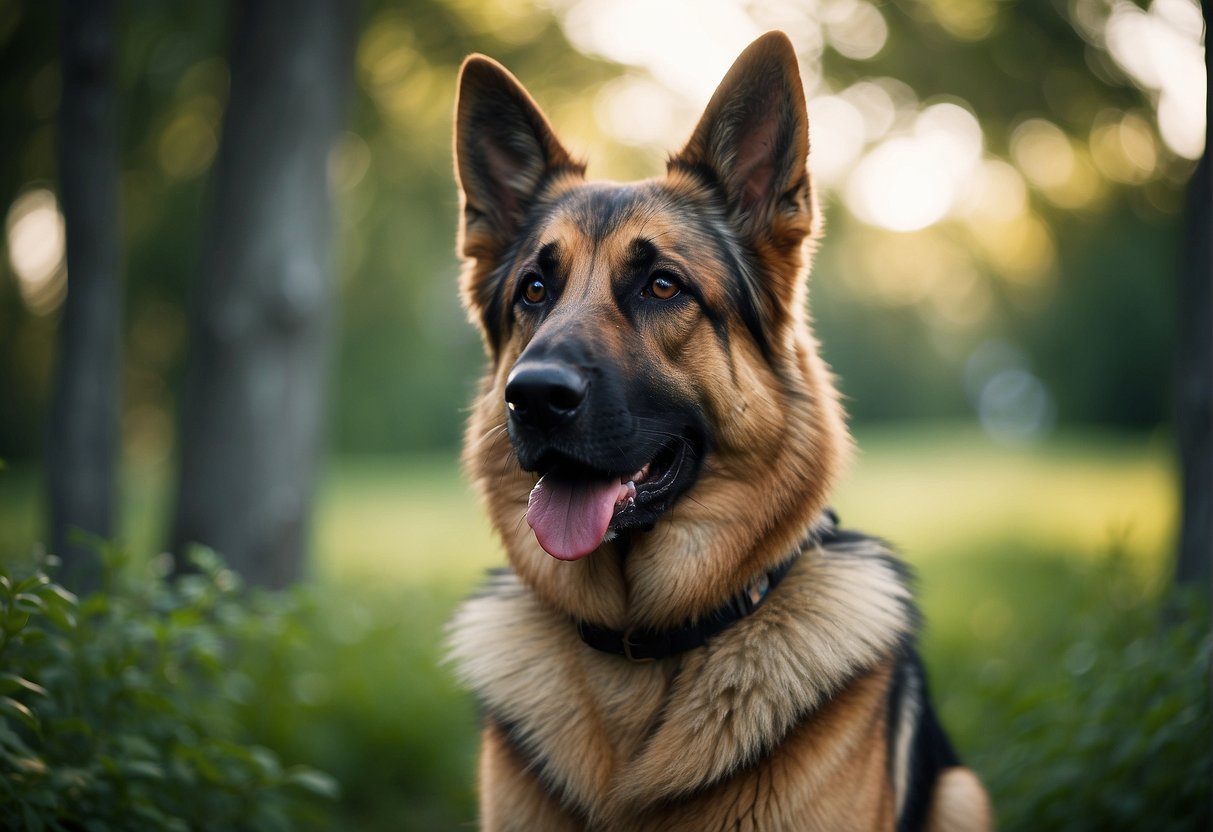
In tracing the ascent of the German Shepherd, it’s evident that their versatility and loyalty have catapulted them to worldwide acclaim. From pivotal roles during wartime to starring in your favorite TV show, their presence is undeniable.
Rise to Fame
In the early 20th century, German Shepherds caught the public’s attention through their work in police and military roles. Their intelligence and trainability made them ideal for these demanding tasks. As they demonstrated their capabilities through work, they quickly became sought after, not just for service but as family companions.
- Intelligence: Renowned for their quick learning and problem-solving skills.
- Trainability: High responsiveness to training for various roles.
Influence of War on the Breed
During both World Wars, German Shepherds served as messengers, search and rescue dogs, and in other critical roles that highlighted their bravery and resilience.
- World War I: Their use by German forces led to a surge in the breed’s popularity.
- World War II: These dogs further proved their worth by performing dangerous tasks under extreme conditions.
The German Shepherd in Popular Culture
German Shepherds have captured hearts through their on-screen portrayals, from ‘Rin Tin Tin’ to ‘Inspector Rex.’ Their depictions have often emphasized their heroic and loyal natures, reinforcing their popularity.
- Cinema: Frequently featured as heroes in films and television.
- Perception: Public image shaped by their characterization as dependable companions.
Training and Intelligence
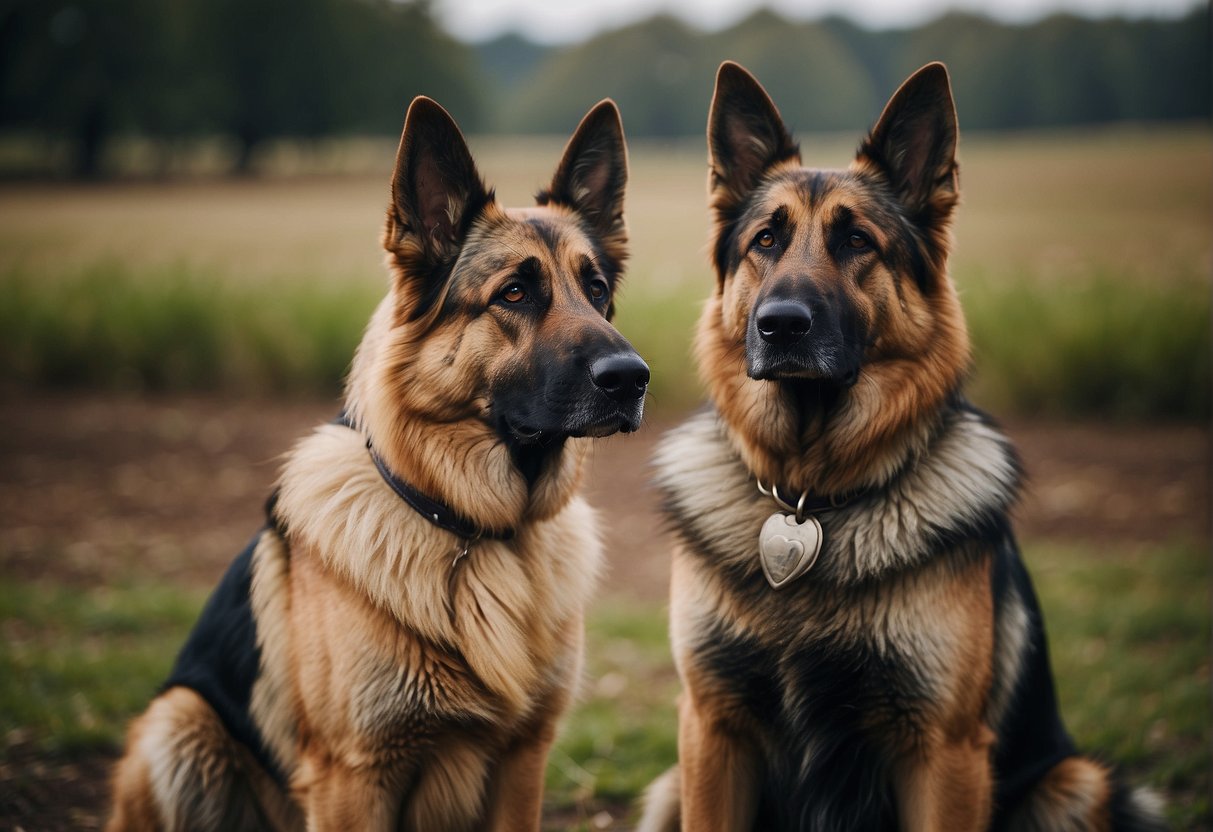
German Shepherds are synonymous with both brain and brawn. This combination makes them exceptional in various disciplines requiring acute intelligence and remarkable trainability.
Working Dog Traits
German Shepherds possess a natural propensity for learning and a willingness to work that few breeds can match. These traits make them superbly trainable:
- Intelligence: Ranking third for intelligence, they grasp commands often in fewer than five repetitions.
- Focus: They exhibit an enviable level of concentration, imperative for complex tasks.
- Diligence: Their work ethic is second to none, characterized by consistent performance under routine or varied circumstances.
- Temperament: An innate balance of confidence and eagerness to please drives them to excel in training environments.
Roles in Service and Protection
The adaptability and intelligence of German Shepherds see them excel in numerous roles:
- Law Enforcement: Their skills are utilized in narcotics, bomb detection, and suspect pursuit.
- Search and Rescue: They navigate challenging terrains to locate missing persons.
- Assistance Work: Their intuition and sensitivity make them ideal as guide dogs or in medical alert roles.
These capabilities are not just by chance. Your consistent training, positive reinforcement, and a structured environment will help your German Shepherd not just to learn but truly excel in service or protection roles. Have you considered channeling your German Shepherd’s intelligence into a service role that could benefit others?
Breed Expansion and Variation
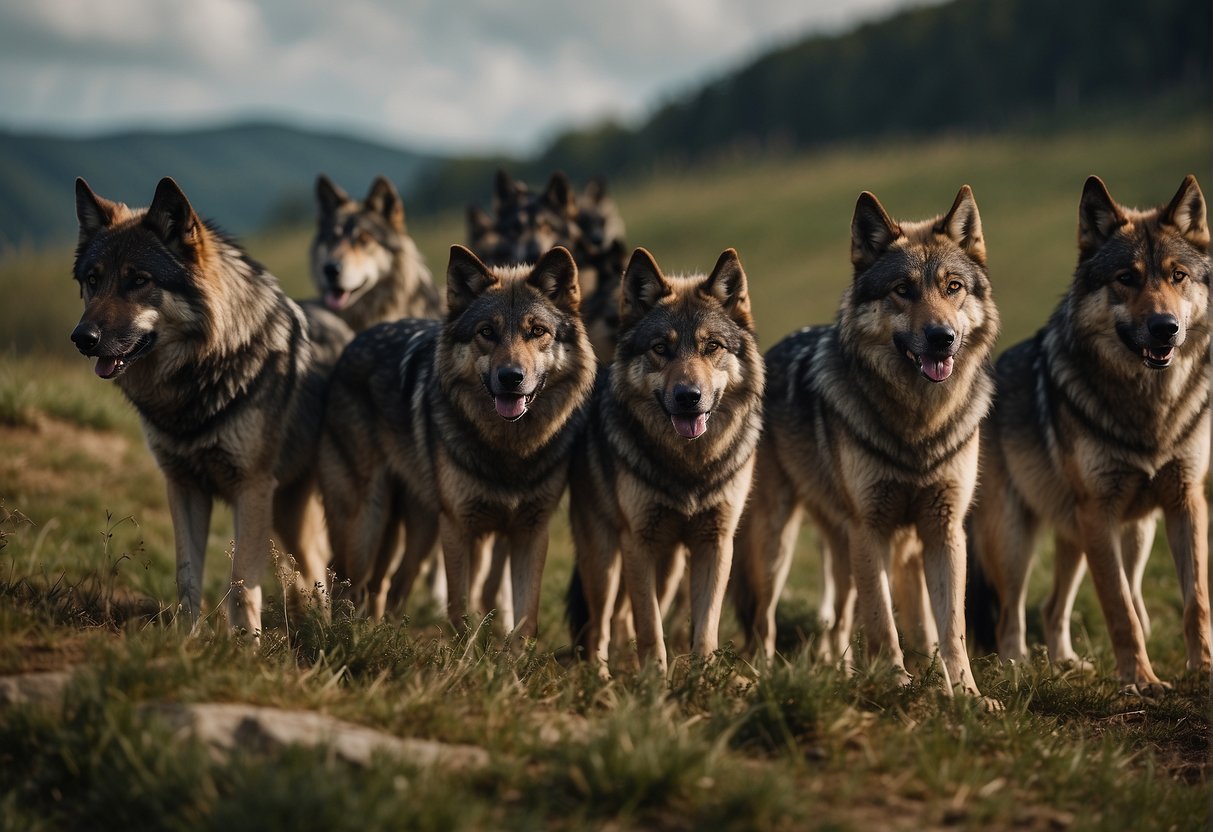
After the German Shepherd Dog (GSD) was developed in the early 20th century, its popularity soared across continents. Today, we’ll explore how they’ve adapted to different regions and the ongoing debate between their show and working lines.
Geographical Varieties
Different climates and breed standards around the world have led to various strains of German Shepherds. For instance:
- American German Shepherds: Tend to be larger with a sloping back.
- European German Shepherds: Often have a straighter back and are more robust, reflecting the breed’s working heritage.
The Show Line vs Working Line Debate
The distinction between show line and working line GSDs isn’t just about appearance; it’s about capabilities and temperament.
- Show Line German Shepherds:
- Bred for conformation to specific breed standards.
- Possess a calmer demeanor suitable for family environments.
- Working Line German Shepherds:
- Valued for their drive, intelligence, and agility.
- Often found in police, search and rescue, and military roles.
Genetics and Health
Navigating the genetic landscape of German Shepherds gives us valuable insights into their health. You’ll want to be aware of predispositions to certain conditions and the latest strides in breed-specific research.
Common Health Issues
German Shepherds are predisposed to several genetic health issues. This is often due to their distinct physical build and genetic makeup. Here’s what you should look out for:
- Hip and Elbow Dysplasia: A common skeletal condition where the joint doesn’t fit together perfectly, leading to arthritis or lameness.
Condition Symptoms Management Strategies Hip Dysplasia Limping, stiffness Weight control, exercise, surgery Elbow Dysplasia Swelling, pain Physical therapy, pain relief - Degenerative Myelopathy (DM): A progressive disease of the spinal cord, resulting in weakness and loss of coordination. Unfortunately, there’s no cure, but supportive care can improve quality of life.
- Early Signs: Dragging of rear legs
- Progression: Paralysis
Breed-Specific Genetic Research
The field of genetics has turned a keen eye towards the health of German Shepherds. Here’s the latest:
- DNA Tests: Breeders now use DNA testing to identify carriers of specific genetic conditions. This aims to reduce the incidence of these conditions in future generations.
- Ongoing Studies: Research organizations are studying German Shepherd DNA to understand the genetic basis of conditions like DM and bloat. They hope to develop better preventive measures and treatments.
Current Status and Future Prospects
German Shepherds stand today as one of the most popular and recognizable dog breeds globally. Their status is a testament to their versatility, intelligence, and loyalty.
Conservation Efforts
- Breed Clubs: Organizations around the world work tirelessly to maintain the breed’s standard and health. These include the Verein für Deutsche Schäferhunde (SV) in Germany and the American Kennel Club (AKC) in the United States.
- Genetic Diversity Monitoring: By tracking the breed’s genetic health, breeders can make informed decisions to avoid common hereditary issues.
- Public Education: Raising awareness about responsible breeding practices ensures a future for German Shepherds that is both healthy and sustainable.
Modern Challenges for the Breed
- Overbreeding: Some breeders may prioritize profit over the well-being of the dogs. This can lead to health issues.
- Popularity Backlash: While being a popular breed has its advantages, it also increases risks of exploitation and neglect.
- Health Concerns: Conditions like hip dysplasia, elbow dysplasia, and bloat are pressing issues that require a breeder’s attention.
Have you considered joining a local breed club to support German Shepherd conservation? What measures can you take to ensure the breed thrives for generations to come?