

Diving into life with a German Shepherd is like opening the door to an adventure filled with unwavering loyalty and boundless energy. My journey with these magnificent creatures has shown me their incredible intelligence and adaptability, shining in roles from heroic police work to being the heart of the family.
Known for their bravery, self-assurance, and a deep-rooted sense of responsibility, German Shepherds (or GSDs) are not just dogs; they’re a testament to what it means to have a true companion by your side.

The day you welcome a well-chosen GSD into your home marks the beginning of a remarkable chapter. Beyond their stunning appearance lies a soul marked by loyalty and a protective instinct that’s second to none.
In this article, we’ll explore what it truly means to live with these incredible animals, from the joys they bring to our daily lives to the profound bond we share. Whether you’re a seasoned GSD owner or considering adding one to your family, there’s always something new to learn about these remarkable dogs.
The Heart of a German Shepherd: Understanding Their Nature
Embarking on a journey with a German Shepherd (GSD) is not just about adding a pet to your family; it’s about welcoming a soul brimming with loyalty, intelligence, and a zest for life. Known for their command presence, German Shepherds embody a unique blend of strength, agility, and beauty. But beyond their physical prowess lies a heart and mind equally remarkable.
Characteristics of German Shepherds
At first glance, a German Shepherd’s physical attributes – as muscular build, erect ears, and keen eyes – command attention and respect. They move with a purposeful grace that speaks to their origins as herders and protectors. Yet, these traits barely scratch the surface of what makes a GSD truly special.
What sets German Shepherds apart is their extraordinary intelligence and adaptability. They are quick learners, eager to take on tasks ranging from simple obedience commands to complex roles and in search-and-rescue operations. This cognitive ability, paired with an innate desire to please their owners, makes them one of the most trainable dog breeds in the world.
A Glimpse into Their History
Understanding a German Shepherd’s nature also means appreciating their rich history. Originally bred for herding and guarding livestock, GSDs have evolved into versatile companions capable of excelling in various roles – be it as a family pet, a service dog, or a working partner in law enforcement and the military. This versatility is a testament to their intelligence, courage, and unwavering loyalty.
Their keen sense of duty and protective instincts make them not just pets but guardians of their homes. German Shepherds form deep bonds with their families, often displaying a protective demeanor towards strangers while being affectionate and gentle with their loved ones. This duality of strength and tenderness defines the essence of their character.
Living with a German Shepherd means embrLiving with a German Shepherd means embracing their multifaceted nature. It’s about providing them with the stimulation they crave through physical exercise and mental challenges, understanding their need for companionship and guidance, and respecting their loyalty and protective instincts. In return, a German Shepherd offers unwavering loyalty, boundless love, and countless moments of joy and adventure.
As we delve deeper into what it means to live with a German Shepherd, remember that their heart and wisdom are gifts that, when nurtured, lead to a fulfilling and enriching life together. Whether you’re playing fetch in the park, navigating agility courses, or simply enjoying a quiet evening at home, every moment with a GSD is an opportunity to deepen your bond and marvel at the unique blend of traits that make them such extraordinary companions.
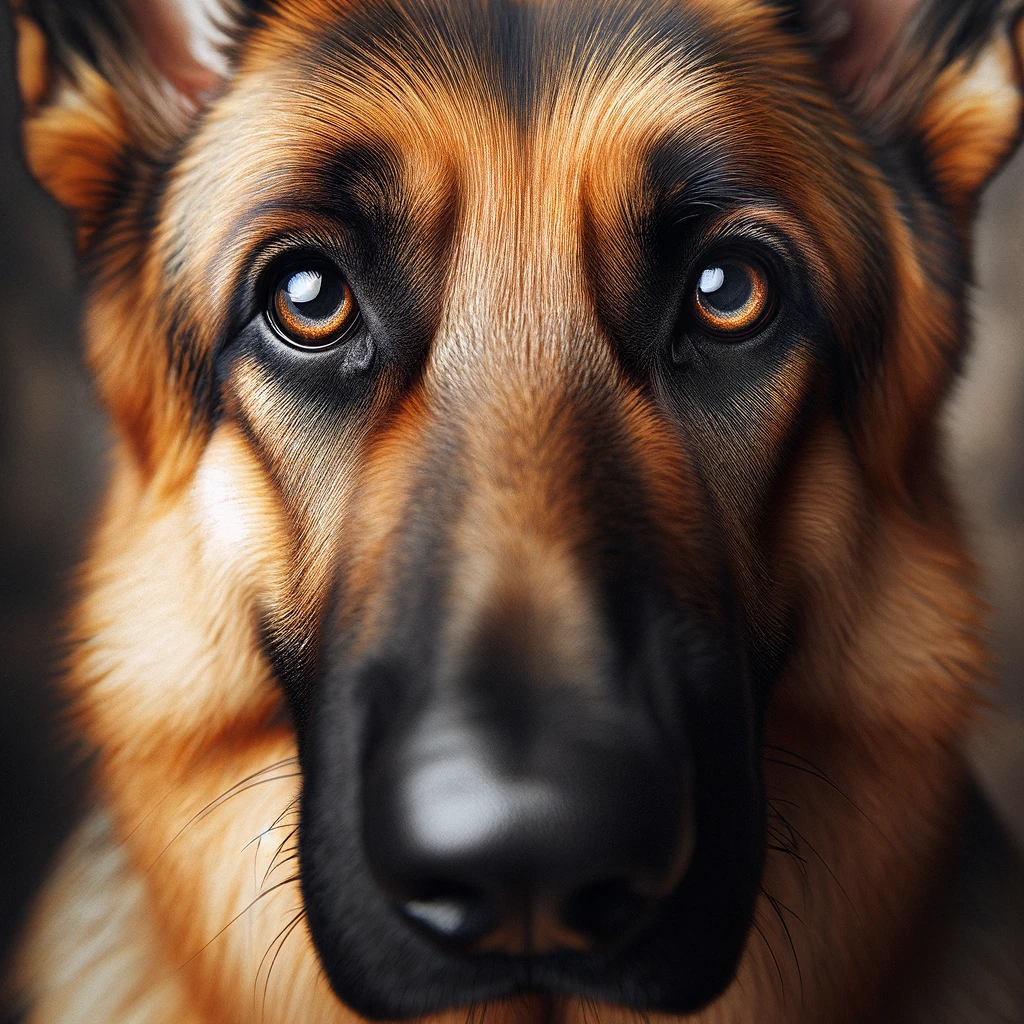
Life with a German Shepherd: Daily Joys and Challenges
Living with a German Shepherd brings a unique blend of joys, responsibilities, and occasional challenges that are all part of the rewarding experience of dog ownership. This section aims to provide insights into what daily life entails with a German Shepherd, offering tips to enhance your journey together.
Bonding and Companionship
At the heart of every German Shepherd’s life is their relationship with their family. German Shepherds thrive on strong bonds formed through quality time spent together, be it during play, training, or simply relaxing at home. These moments are not just enjoyable; they’re crucial for your dog’s emotional well-being. Engaging in activities that both of you enjoy can strengthen your bond and ensure your German Shepherd feels like a valued member of the family.
Exercise and Activity Needs
German Shepherds are high-energy dogs with a need for regular exercise to stay healthy and happy. A daily routine that includes walks, runs, or play sessions is essential. Their intelligence and agility also mean they excel in more structured activities like agility training, obedience trials, and even adventure sports. Regular physical and mental stimulation will keep your German Shepherd fit and prevent boredom, which can lead to unwanted behaviors.
Training and Socialization
Thanks to their intelligence and eagerness to please, German Shepherds are generally a pleasure to train. Early socialization and consistent, positive reinforcement training methods help them develop into well-mannered adults. Training is also a fantastic way to deepen your connection with your dog, as it builds trust and mutual respect. Remember, socialization isn’t just about meeting other dogs; it’s also about exposing your German Shepherd to various people, environments, and situations, ensuring they’re well-adjusted and confident.

Keeping Your German Shepherd Healthy and Happy
Caring for a German Shepherd involves a holistic approach that balances their physical needs with their emotional and mental well-being. Here’s how you can ensure your furry friend stays healthy and happy:
Nutrition and Diet
A proper diet is the cornerstone of a healthy life for any dog, especially a German Shepherd. These active dogs require high-quality food that’s rich in protein and has the right balance of essential nutrients. Whether you choose commercial dog food or a home-cooked diet, make sure it meets the specific needs of your German Shepherd:
- Age-appropriate food: Puppies, adults, and senior dogs have different nutritional requirements.
- Monitor weight: Keep an eye on their weight to prevent obesity, which can lead to health issues.
- Special dietary needs: Be aware of any food sensitivities or allergies your German Shepherd may have.
The foundation of good health is a balanced diet tailored to the unique needs of a German Shepherd. These energetic dogs require nutritionally dense food that supports their active lifestyle:
- High-quality protein: Essential for muscle development and energy, choose foods with real meat as the first ingredient.
- Fats and fatty acids: Necessary for energy and a healthy coat. Look for foods containing omega-3 and omega-6 fatty acids.
- Vitamins and minerals: Ensure the food provides a complete range of nutrients to support overall health.
- Special dietary considerations: Pay attention to your dog’s reactions to certain foods and consult with a vet for advice on allergies or sensitivities.
Health and Wellness
Regular check-ups with a veterinarian play a crucial role in maintaining your German Shepherd’s health. Preventative care can catch potential health issues early, and routine vaccinations and parasite control are must-dos. Pay attention to signs that may indicate health problems, such as changes in appetite, behavior, or activity level. Here are some key points to consider:
- Common health issues: See below for more information on GSD-specific health concerns, such as hip dysplasia and digestive issues.
- Dental health: Regular teeth cleaning can prevent gum disease and other health complications.
- Mental health: Mental stimulation is as important as physical exercise. Training, puzzle toys, and new experiences can keep your dog’s mind sharp.
Common Health Issues
Routine veterinary visits are key to preventive care, but being informed about common health issues can help you catch problems early:
- Hip and elbow dysplasia: A genetic condition affecting the joint, leading to pain and mobility issues. Regular exercise, maintaining a healthy weight, and screening can manage and sometimes mitigate its impact.
- Degenerative myelopathy: A progressive disease of the spinal cord, leading to eventual paralysis. There’s no cure, but supportive care can improve quality of life.
- Gastric dilatation-volvulus (GDV) or bloat: A life-threatening condition where the stomach twists. Preventive measures include feeding smaller, more frequent meals and avoiding exercise right after eating.
- Allergies and skin conditions: Often manifest as itchiness and discomfort. Proper diet, regular grooming, and veterinary care can help manage these issues.
Grooming Essentials
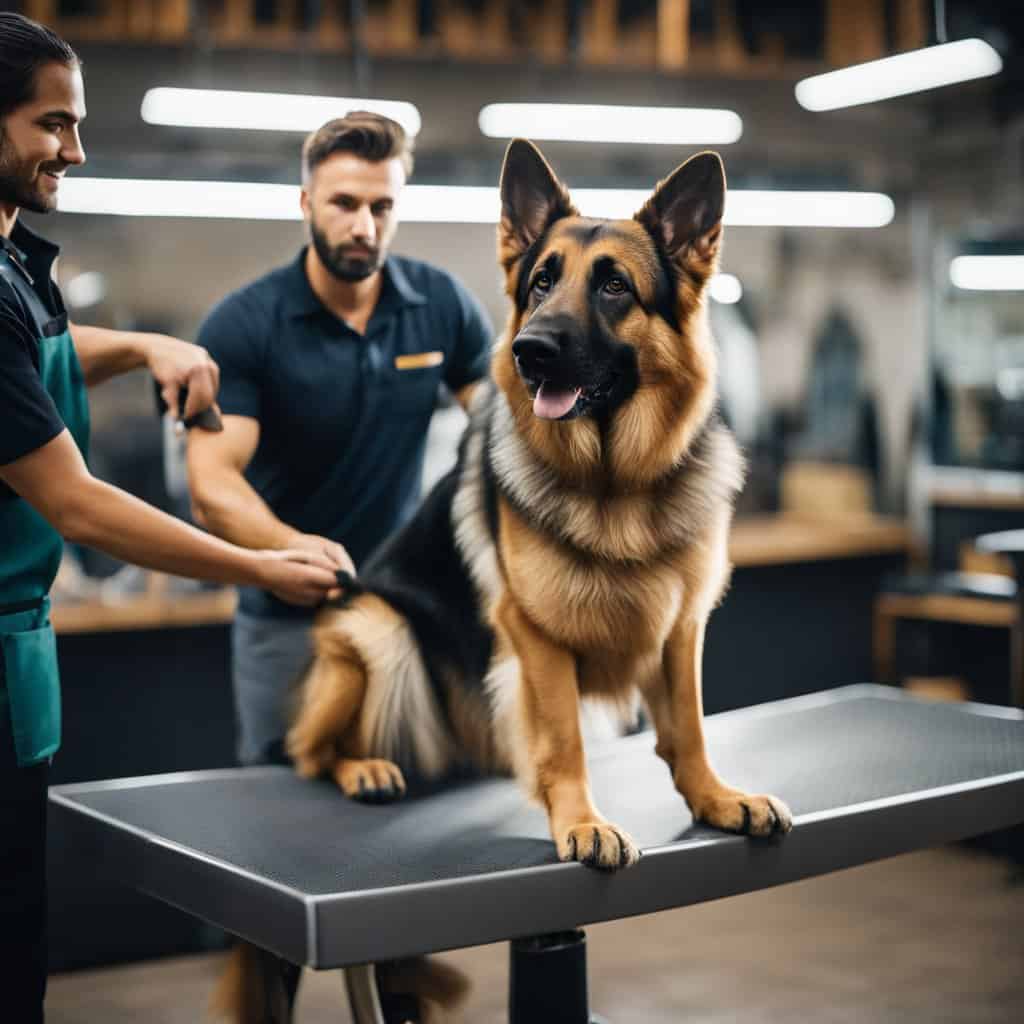
German Shepherds are known for their dense double coats, which require regular grooming to keep them looking their best and to minimize shedding. Here’s a simplified grooming routine:
- Brushing: Frequent brushing helps reduce shedding and keeps the coat healthy.
- Bathing: Bathe your German Shepherd only when necessary to preserve natural oils.
- Nail trimming and ear cleaning: Regular nail trimming and ear cleaning are essential to prevent discomfort and infections.
The Practicalities of German Shepherd Ownership
Owning a German Shepherd isn’t just a commitment; it’s a journey filled with loyalty, love, and yes, a fair bit of fur. Let’s look at what it really means to welcome one of these noble canines into your life.
Bringing a German Shepherd into Your Life
When considering the leap into German Shepherd ownership, the first question to ask yourself is whether to adopt or buy. Adoption is a beautiful way to give a dog a second chance at life, and there are many German Shepherds out there looking for a loving home. If you’re leaning towards purchasing from a breeder, ensure they are reputable and that the pups have been raised in a healthy, happy environment. It’s a good idea to see the parents of the pup too.
Creating a Welcoming Environment
As you prepare to bring your German Shepherd home, think about creating a space that’s as welcoming as their new family.
Start with the basics: a cozy bed, food and water bowls, and plenty of toys. They’ll need a place to call their own, a sanctuary where they can retreat when the world gets a bit too much. Remember, German Shepherds are intelligent and active dogs; they’ll appreciate challenges, both mental and physical, so consider puzzle toys and regular training sessions as part of their routine.
Managing Life Changes and Stress
Life is full of surprises and changes, and while we adapt, our canine companions need a little extra help. Moving house, introducing new family members, or even changing work schedules can affect your German Shepherd.
Throughout these changes, maintain a routine as much as possible. Consistency in feeding, walking, and playtime can provide a sense of security. And, don’t underestimate the power of patience and extra cuddles during these times.
Is A German Shepherd Right for You?
Deciding to welcome a German Shepherd into your life is a significant decision that should not be taken lightly. These dogs are more than just pets; they become integral members of the family, offering unwavering loyalty, protection, and companionship. But with their large size, intelligent minds, and energetic spirits, they also bring a set of responsibilities that you must be ready to embrace.
German Shepherds are known for their versatility and can be wonderful companions in the right environment. They are well-suited for active individuals or families who have the time to invest in their training, exercise, and mental stimulation. These dogs have a natural drive to work and learn, so they excel in homes where they can participate in activities such as obedience training, agility courses, or even herding if you have the space and resources.
The joys of owning a German Shepherd are plentiful. They’re incredibly loyal, often forming a strong bond with their primary caretaker. They’re also protective, making them excellent watchdogs who will always keep an eye on their home and loved ones. Their high intelligence makes them a joy to train, and they often impress with their quick learning and problem-solving abilities.
However, the responsibilities are just as important to consider. German Shepherds require regular and vigorous exercise to keep them physically fit and mentally sharp. Without this, they can become restless and develop behavioral issues. They also have a thick double coat that sheds year-round, with heavier shedding, or “blowing coat,” twice a year. This means you’ll need to be diligent about grooming and comfortable with a certain amount of dog hair in your home.
Owning a German Shepherd also means being proactive about their health. Like all breeds, they are prone to certain health issues, such as hip dysplasia, and will require regular veterinary check-ups and a suitable diet to maintain their health and vitality.
Before committing, it’s essential to honestly assess your lifestyle. Do you have the time, energy, and resources to dedicate to a German Shepherd? Are you prepared for the long-term commitment of owning a dog that can live 10 years or more? If you have the space in your heart and your home, and you’re ready for the active engagement that comes with the breed, a German Shepherd can be an incredibly rewarding companion who will bring joy and adventure to your life.
Frequently Asked Questions
When it comes to German Shepherds, prospective and new owners often have a myriad of questions. Here are some common queries that may arise:
Q: How much exercise does a German Shepherd need?
A: German Shepherds are high-energy dogs that require regular exercise to stay healthy and happy. Aim for at least one to two hours of physical activity daily, which can include walks, runs, playtime, and mental stimulation through training or puzzle toys.
Q: Are German Shepherds good with children?
A: Yes, German Shepherds can be excellent family pets and are generally good with children, especially when raised with them. However, due to their size and energy, interactions should be supervised, particularly with younger children, to ensure playtime remains safe and gentle.
Q: What kind of training is best for a German Shepherd?
A: German Shepherds are intelligent and eager to learn, making them great candidates for various types of training. Positive reinforcement techniques work well. Consistent obedience training, socialization, and specialized training like agility or scent work can help keep them mentally stimulated and well-behaved.
Q: How often do German Shepherds need to be groomed?
A: Regular grooming is essential for German Shepherds due to their double coat. They should be brushed several times a week to minimize shedding and prevent matting, and more frequently during their semi-annual shedding seasons. Bathing should be done as needed, but not too frequently, to avoid stripping their coat of natural oils.
Q: Can German Shepherds live in apartments?
A: While German Shepherds are adaptable, they do best in homes with more space to move around, such as a house with a yard. However, with sufficient daily exercise and mental stimulation, a German Shepherd can adjust to apartment living.
Q: What health issues are common in German Shepherds?
A: German Shepherds are prone to certain genetic health issues, including hip and elbow dysplasia, degenerative myelopathy, and bloat. Regular check-ups with a veterinarian, a proper diet, and maintaining a healthy weight can help manage these risks.
Q: How long do German Shepherds usually live?
A: The average lifespan of a German Shepherd is between 9 to 13 years. Proper care, a healthy diet, regular exercise, and veterinary attention can contribute to a German Shepherd living a full and healthy life.
Q: Are German Shepherds easy to train?
A: German Shepherds are known for their intelligence and trainability. They are often eager to please and pick up new commands quickly. However, training should start early, be consistent, and continue throughout their life to ensure they remain well-behaved and mentally engaged.
Q: Do German Shepherds require a special diet?
A: While German Shepherds don’t necessarily require a special diet, they do well on high-quality dog food that’s appropriate for their age, size, and activity level. Some may have specific dietary needs or sensitivities, so it’s best to consult with a veterinarian to determine the best feeding regimen.
Q: How do German Shepherds fare in cold or hot weather?
A: Their double coat makes them well-suited for colder climates, but they can also adapt to warmer environments with proper care. In hot weather, it’s important to provide plenty of water, shade, and opportunities to cool down to prevent overheating.
Q: Are German Shepherds aggressive?
A: German Shepherds are not inherently aggressive; however, like any dog, their behavior is influenced by genetics, training, socialization, and treatment. With proper training and socialization, German Shepherds are known to be loyal, confident, and protective without unnecessary aggression.
Q: What are the daily responsibilities of owning a German Shepherd?
A: Daily responsibilities for owning a German Shepherd include providing regular and vigorous exercise, mental stimulation through training or interactive play, consistent obedience practice, and socialization. Additionally, owners must take care of their basic needs such as feeding a balanced diet, ensuring fresh water is always available, grooming to manage shedding, and attending to their health with regular veterinary check-ups.
Q: Can German Shepherds adapt to being home alone during work hours?
A: German Shepherds can adapt to being home alone during work hours, but they need proper training and mental stimulation to handle solitude without becoming anxious or destructive. It’s important to gradually acclimate them to being alone by starting with short absences and increasing the time as they show comfort. Providing engaging toys and ensuring they get enough exercise before and after being left alone can also help.
Q: What challenges might first-time owners face with a German Shepherd?
A: First-time owners may face challenges such as managing the breed’s high energy levels and need for regular exercise, providing consistent and firm training, dealing with their protective instincts, and addressing potential health issues. Socialization and obedience training from a young age are crucial to prevent behavioral problems. Additionally, the commitment to grooming and dealing with shedding may be challenging for some new owners.
Q: How does owning a female German Shepherd differ from a male?
A: Owning a female German Shepherd may differ from a male in terms of size, temperament, and behavioral tendencies. Females are generally smaller and may be easier to handle physically. They can also be more independent and reserved, while males are often more dominant and territorial. However, individual personality can vary widely, and proper training and socialization are key for both genders.
Q: What are some personality traits typical of German Shepherd owners?
A: Typical personality traits of German Shepherd owners often include being active, patient, and committed to the responsibility of dog ownership. They are usually individuals who appreciate the loyalty and intelligence of the breed and are willing to invest time in training, exercise, and bonding. German Shepherd owners often have a strong sense of protection for their home and family, valuing the security that these dogs can provide.
Wrapping it Up
As we conclude our in-depth look at Life with a German Shepherd, it’s clear that these noble canines are not just any pet – they’re a commitment to active engagement and companionship. If you’re prepared for the journey, a German Shepherd can bring unparalleled joy and loyalty into your life.
May your days be filled with the adventure and fulfillment that comes with being a German Shepherd owner. Stay dedicated, stay active and cherish every moment with your wonderful four-legged friend.
If you’re a proud GSD owner, or even considering a German Shepherd as your furry pal, we’d love to hear your experiences and thoughts. Share your stories, questions, or tips in the comments below. Your insights could be invaluable to someone deciding to welcome one of these remarkable dogs into their life.