

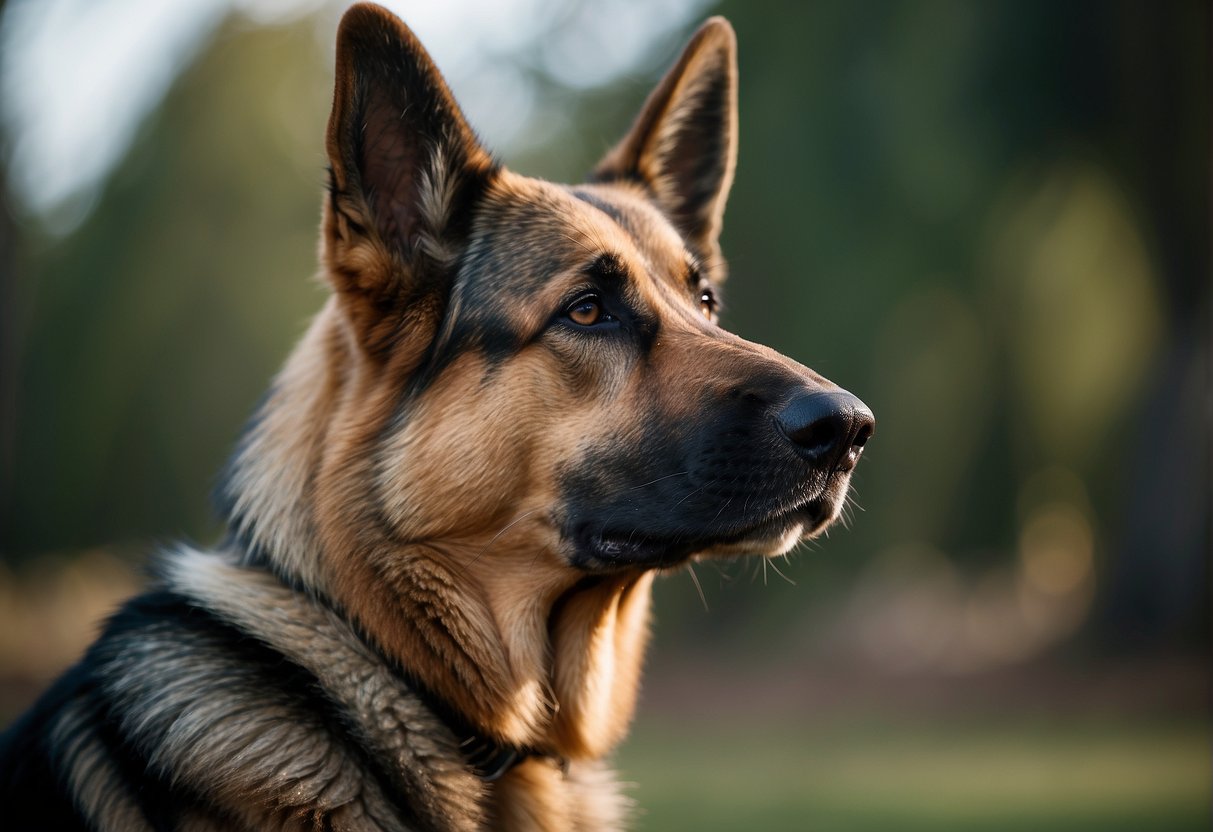
Imagine that feeling when you look at a German Shepherd and something just seems… different. Maybe you can’t quite put your finger on it at first, but then it hits you—the shape of the back, the posture, even the expressions they wear.
These iconic dogs, known for their intelligence, strength, and versatility, have undergone more than just a slight transformation over the decades. If you’re a German Shepherd enthusiast like I am, you’ve likely noticed the subtle yet significant shifts in the breed standard that have shaped today’s German Shepherd Dogs.
With a rich history dating back to the late 19th century, the German Shepherd has been a companion to families, a dedicated worker in various services, and a star in the show ring. But what’s fascinating is how the breed standard—which details the ideal characteristics of the breed—has evolved.
The reasons range from changes in lifestyle and the roles these dogs play in our lives to the whims of fashion and shifting perceptions of what a German Shepherd should be.
Let’s dive into the world of German Shepherds and uncover how the criteria that once defined perfection in these animals has transformed.
Through personal experiences, I’ll share insights into how these changes have impacted not just their appearance, but their health, temperament, and the very essence of what makes a German Shepherd truly a German Shepherd.
If you’ve ever wondered how these noble animals have developed over time, you’re not alone. Let’s explore together the journey of this beloved breed’s standards and what implications these changes hold for you and your German Shepherd companion.
Origins and Early Standards
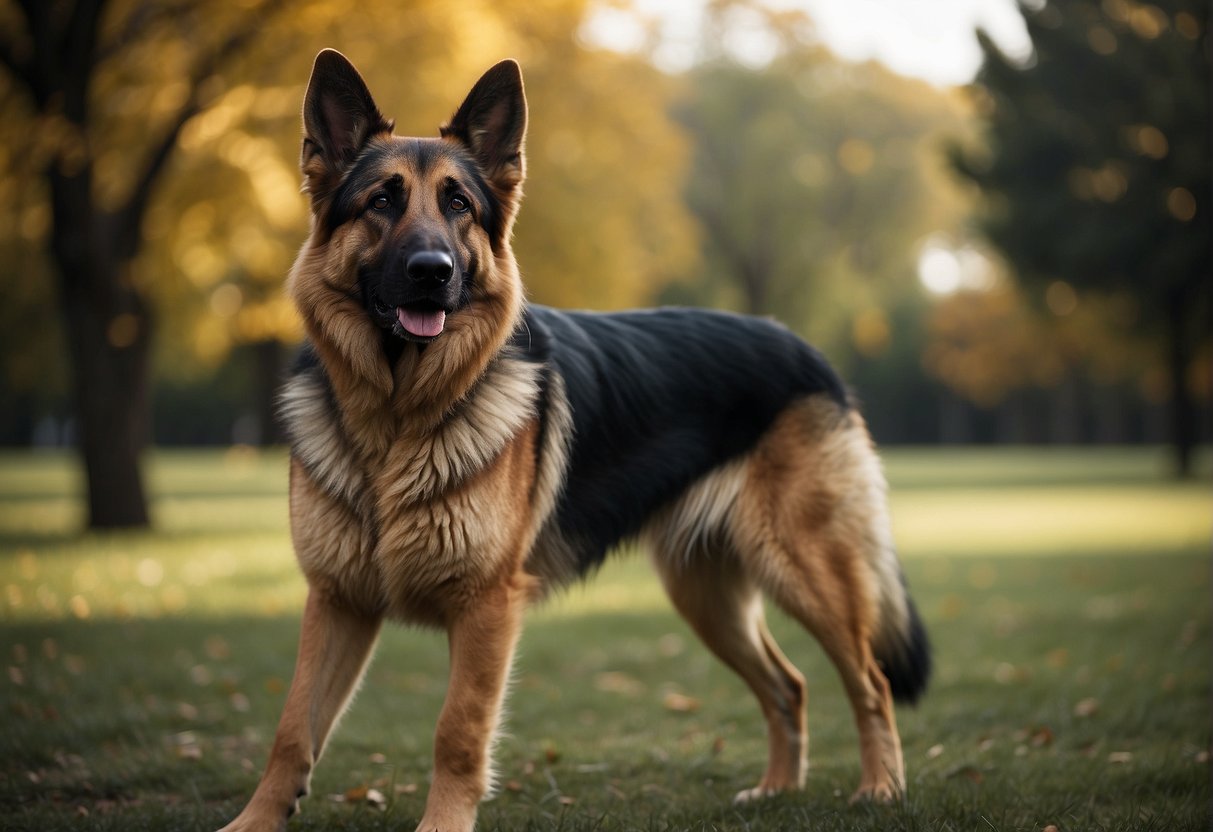
German Shepherds haven’t always been the well-loved, versatile dogs we know today. Their formation was deliberate, with origins dating back to the late 19th century in Germany. Initially, they were prized for their work as herders, their main role, to guide and protect sheep. Isn’t it fascinating to think how their prowess in herding laid the groundwork for the diverse skills they flaunt today?
The breed’s creator, Max von Stephanitz, admired their intelligence, strength, and ability to work, forging the first breed standard. In 1899, Stephanitz founded the Verein für Deutsche Schäferhunde (SV), forming the framework for German Shepherds’ characteristics.
The breed standard he set focused on traits essential for a working dog:
- Physical Attributes: Strong build, well-balanced body.
- Temperament: Intelligent, obedient, and keenly alert.
- Abilities: Exceptional herding skills and adaptability.
Let’s look at these early requirements as stepping stones:
- Strength and Agility: Essential for long, tireless hours of herding.
- Keen Intellect: Required for making quick decisions in the field.
- Good Temperament: A necessity for working closely with shepherds and flocks.
These initial standards weren’t just about work; Stephanitz emphasized a versatile, loyal companion. Gradually, the breed’s utility extended to military, police, and service roles, paving the path for the modern German Shepherd.
Do you think your German Shepherd shows remnants of these early traits? Next time you’re out with your dog, watch how they move and react—maybe you’ll spot a piece of history in their stride or vigilance.
Post-War Developments
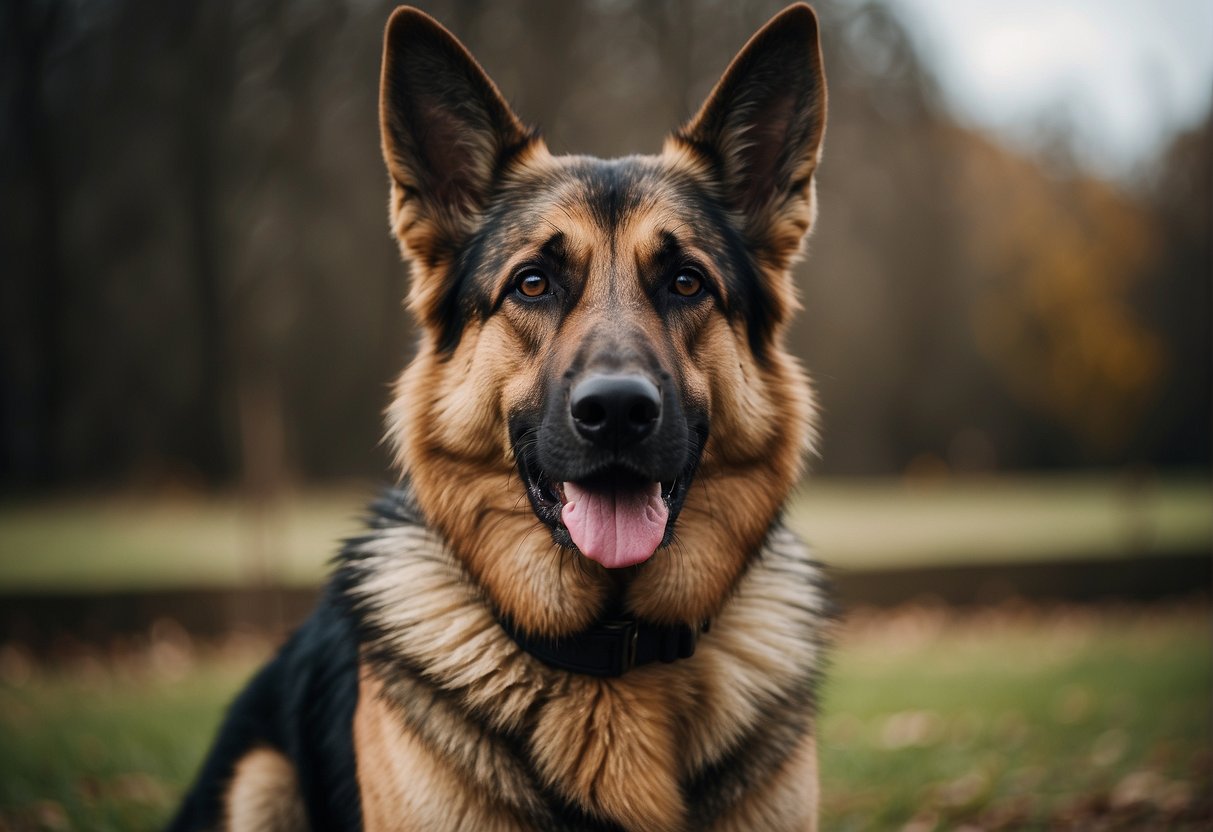
I remember reading once about how breeds evolve with time, and the German Shepherd is no exception. After World War II, the German Shepherd breed experienced significant changes, driven by shifting roles and breeding practices.
- Physical Traits: Since the war, the emphasis shifted towards a more angled hindquarter and a lower set hock.
- Temperament: Breeders also began selecting for dogs with steadier temperaments, suitable for police work, search and rescue, and as service animals.
The breed’s health became a central focus, with breeders aiming to mitigate concerns such as hip dysplasia.
- Health Screenings: Introduction of mandatory hip and elbow scoring for breeding dogs became a common practice.
- Professional Care: Advocacy for regular veterinary check-ups increased among breed standards.
Breeders placed importance on adhering to standards that would ensure the dogs were not just beautiful but also strong, agile, and with the stamina to perform various tasks.
- Have you noticed how your German Shepherd’s build might be different from those in historical photos?
- Is your dog showing the temperament ideal for modern work roles or as a loving companion?
I’ve seen how my own dog exhibits these post-war changes, not just in his appearance, but in his ability to learn quickly and respond to training with a calm determination. It’s incredible to witness how these dogs have adapted over the years.
Contemporary Standards and Variations
Remember the time you first saw a German Shepherd and were captivated by its poised elegance? These dogs are not just about good looks; their breed standards have been a measure of their ability to work and endure. Let’s explore what those standards entail today.
German Shepherds were originally bred for herding and protecting sheep. Fitness for work is still a key element, even in contemporary standards. The breed is known for its intelligence, strength, and versatility. Here’s what to look for in a modern German Shepherd:
Size & Proportions
- Males: 24-26 inches at the withers
- Females: 22-24 inches at the withers
- Proportional body length to height
Physical Appearance
- Strong, muscular build
- Head: Clean-cut, proportionate to body
- Eyes: Almond-shaped, dark, with a lively expression
- Ears: Medium-sized, upright, pointed at the tip
- Coat: Double-layered, dense outer coat with a softer undercoat
- Colors: Typically tan/black or red/black, but variations include sable, pure-black, and pure-white
German Shepherds now exhibit slight variations around the world. The American lines are often seen in show rings, flaunting more angulations in their hindquarters, while the European lines, including German and Czech, are favored in working roles due to their robust physique.
Have you noticed differences in temperament based on these variations? Some say American bred are calmer house dogs, whereas European lines embody the driven, working spirit.
If you’re considering welcoming one into your home, reflect on your lifestyle. Do you need a dog that thrives in active work, or one that makes a serene companion? Remember to confirm their lineage and how it aligns with the breed standards—a clear sign of a reputable breeder.
Breed Standard Evolution in Different Countries
When I first met a German Shepherd from another country, I was taken aback by the subtle differences in appearance and temperament. This encouraged me to explore how breed standards have varied around the world, reflecting diverse cultural preferences and working roles. Let’s explore this intriguing variation together.
United States
In the United States, the American Kennel Club (AKC) recognizes the German Shepherd Dog (GSD) as a breed with specific standards that have shifted over time. Historical Development: The American breed standard has evolved to favor a more angled hindquarters and a sleeker body, with an emphasis on the dog’s abilities as a show competitor.
- Time Changes: The 1970s and 1980s saw a trend toward a more sloping backline, which has since faced criticism for potential health implications.
- Current Preferences: Today, there is a growing appreciation for German Shepherds that also excel in obedience and agility, leading to a more balanced structure being favored by some breeders.
Germany
The German Shepherd’s land of origin, Germany, has maintained steadfast criteria through the Verein für Deutsche Schäferhunde (SV) with a strong emphasis on the breed’s working capabilities. Function Over Form: The German standard prioritizes the dog’s health, intelligence, and working ability, with less emphasis on aesthetics.
- Health and Performance: Changes over time include rigorous health testing and performance requirements, ensuring that dogs meet the high demands of various working roles.
- Structure: Although similar to the AKC in recognizing a strong, well-muscled body, German Shepherds in Germany tend toward a more balanced and moderate build to preserve their working capability.
United Kingdom
In the United Kingdom, The Kennel Club (UK) has its unique interpretation of the breed standard. UK Breed Considerations: The UK standard has seen less fluctuation over time, with a continuous emphasis on a balance between form and function.
- Appearance vs. Ability: Moderation is the key in the UK, with the breed standard calling for a dog that can perform as a companion and working dog without the exaggerated features sometimes favored in show rings.
- Size and Proportions: British breed standards have remained relatively consistent, emphasizing that the German Shepherd should be longer than tall, with a level back and no extreme angulation.
As you can see, different countries have developed their own priorities and interpretations of what a German Shepherd should embody. If you’re considering adding a German Shepherd to your life, understanding these nuances can guide you to a dog that matches your lifestyle and values. Have you noticed any unique traits in German Shepherds from different countries that you find particularly admirable?
Genetic Health and Physical Changes
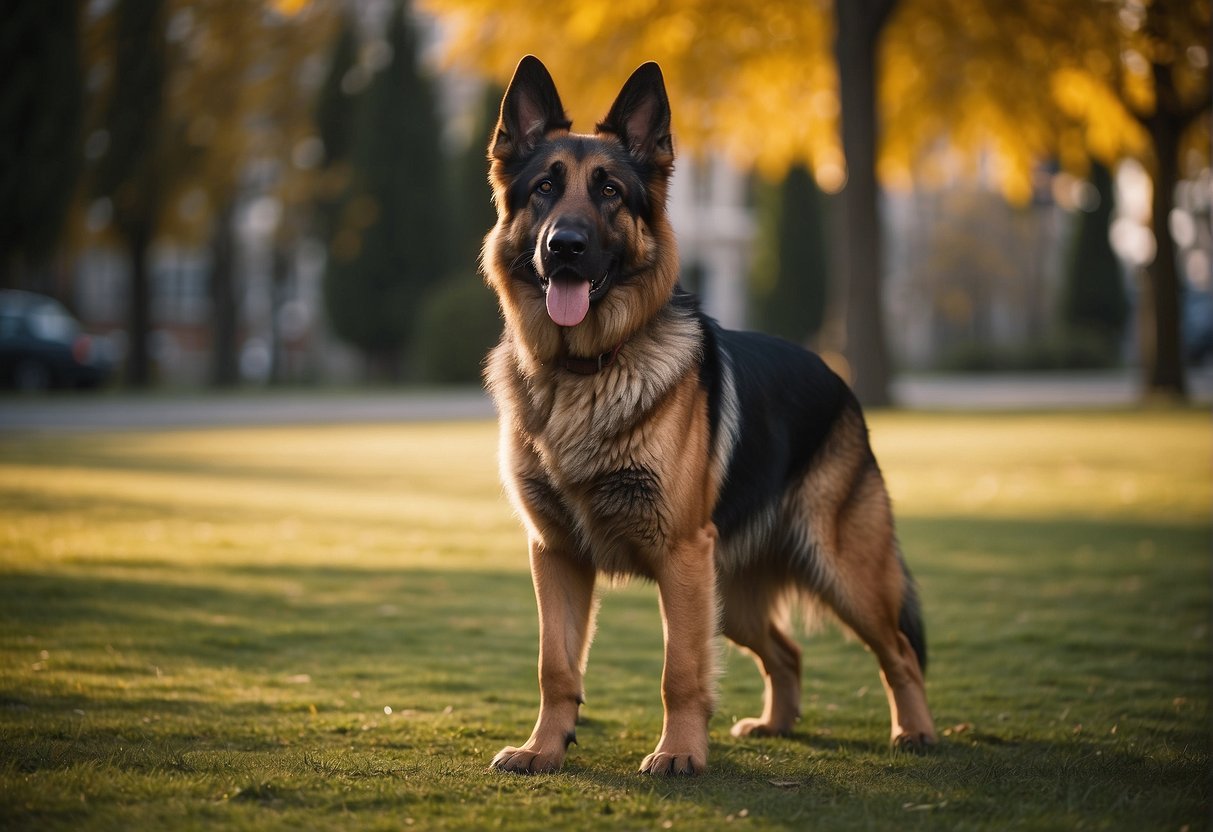
When I first laid eyes on a German Shepherd, I was struck by their noble stance and vigilant gaze. Over the years, I’ve seen subtle shifts in their appearance as breed standards evolve, but one constant concern has been their genetic health.
Historically, the breed was developed for herding and working, which required robust health and a sturdy physique. Today’s German Shepherds, however, face various health challenges, partly due to changes in breeding practices.
The emphasis on certain physical traits has occasionally led to the overlooking of genetic diversity, raising the risk of hereditary diseases like hip dysplasia.
Key Changes:
- Hip and Elbow Dysplasia: Breeders now prioritize health screenings.
- Gaite: A change from the utility-focused trot to a show ring glide.
- Backline: Historically straight, now often slopes downwards from shoulders to tail.
Genetic health concerns have prompted breed clubs to implement stricter health testing guidelines. Hip and elbow scoring systems help identify potential breeding stock, aiming to reduce the incidence of dysplasia.
Breeding Efforts:
- Introduction of genetic diversity
- Mandatory health screenings
- Education on responsible breeding practices
As you admire the breed’s majestic appearance, remember the power you hold as an owner or breeder in shaping their future.
Prioritize health over aesthetics when considering a German Shepherd. Have you discussed genetic health with your breeder or vet? It’s a conversation that could make a world of difference for your loyal companion.
Impact of Show Culture on Breed Standards
Picture this: it’s the early 1900s, and you’re attending one of the first dog shows featuring German Shepherds. The breed, still young by canine standards, is fresh out of its utilitarian origins, and you notice something unique about these dogs. Their form and function are perfectly aligned, a blend of strength, intelligence, and versatility.
Fast forward to today, show culture has left an indelible mark on the German Shepherd breed standard, shaping it in significant ways:
- Physical Appearance:
- Before: Balanced, working-style physique.
- After: Emphasis on sloped backlines and angulation.
- Temperament:
- Before: Strong work ethic, resilience.
- After: Calm demeanor, good behavior in the ring.
Adjustments to Size and Weight over time reflect an aesthetic leaning, possibly at the expense of the breed’s working heritage. Judges in show rings often look for these specific traits when evaluating a German Shepherd, which can lead to breeders prioritizing appearance over health or working ability.
The implications of show-focused breeding can be widespread, ranging from:
- Health Issues: Selective breeding for looks may accentuate genetic disorders.
- Functional Capability: The shift may lead to a decline in the breed’s ability to perform traditional roles such as herding or search and rescue.
Yet, not all change is detrimental. With a spotlight on the breed, the opportunity for education and responsible breeding practices is amplified.
What can you do to ensure the health and happiness of your German Shepherd amidst these changes?
- Seek out breeders who prioritize health and function.
- Conduct thorough research on the breed standards and how they relate to your dog’s needs.
- Engage with German Shepherd communities for shared experiences and advice.
It’s essential to understand show culture’s influence and make informed decisions for your beloved canine companion.
Have you thought about how these changes might affect your German Shepherd’s well-being?
Public Perception and Breed Popularity
Once upon a walk with my German Shepherd, a little boy exclaimed, “Look, a superhero dog!” That moment highlights the admiration this breed commands. German Shepherds have always been synonymous with bravery, intelligence, and versatility, making them one of the most popular breeds worldwide. Their appearance in media as heroic police dogs or loyal family companions only bolsters their image.
- 1920s-1930s: Gained fame as working dogs in law enforcement and movies.
- 1940s-1950s: Served in WWII, solidifying their heroic image.
- Present Day: Remains a top choice for various roles and as family pets.
Their utility piqued interest in the breed, and movies like Rin Tin Tin catapulted them to stardom. Post-WWII, their popularity surged as returning soldiers shared tales of German Shepherds’ courage. Their working roles are diverse, ranging from:
- Police and military service
- Search and rescue operations
- Assistance and therapy work
Despite shifts in public perception over time, your German Shepherd likely enjoys a celebrity status at the local park.
It’s essential, however, to showcase their friendly nature to counter any misconceptions of aggression.
Did you know your German Shepherd’s demeanor helps shape public perception? Encourage socialization from a young age, and you’ll contribute to their legacy as passionate companions!
What positive experiences have you shared with others about your German Shepherd?
Future of the German Shepherd Breed Standard
German Shepherds have been by my side for years. I’ve witnessed firsthand how breed standards can shift subtly over time, reflecting changes in societal needs and health priorities. You’ll likely notice this too as the breed continues to evolve.
The focus on health and temperament is expected to intensify in future breed standards. Increased awareness of common German Shepherd health issues such as hip dysplasia will likely spotlight genetic testing and preventive health measures.
Three Key Predictions for the Breed Standard:
- Health Prioritization:
- Emphasis on clear genetic tests for hereditary conditions
- Prevention of overbreeding to maintain genetic diversity
- Temperament Reevaluation:
- Stronger considerations for stable and approachable temperaments
- Potentially modified to encourage traits suited for companion roles
- Physical Appearance Adjustments:
- Possible reduction in emphasis on show-specific traits
- Enhanced focus on functional conformation that promotes agility and endurance
You might wonder, can the defining characteristics we’ve come to love stay the same amidst such changes? The answer is yes. The essence of the German Shepherd—loyalty, intelligence, and versatility—will remain, but with a conscientious approach that keeps their well-being at the forefront.
Have you noticed your German Shepherd showing signs of discomfort after vigorous activity? It’s insights like these that the breed community will consider. They hope to see a future where less emphasis is placed on extreme physical traits.
When looking ahead, question what attributes you value in your German Shepherd. Are they aligned with the breed’s future direction? Continued education on these evolving standards is vital for you, the informed owner, to advocate for the well-being of your companion. Consider discussing with breeders and experts how they’re adapting to these impending changes. Your voice can shape the breed’s future for the better.