

I remember the first time I laid eyes on a German Shepherd. It was like looking at a creature carved out of a storied past, yet so vitally present. Their commanding presence is undeniable, and it’s no surprise that these dogs have evolved from humble farm guardians to versatile frontline workers.
As a breed, they embody adaptability and serve in roles that many would struggle to imagine a dog could fulfill.
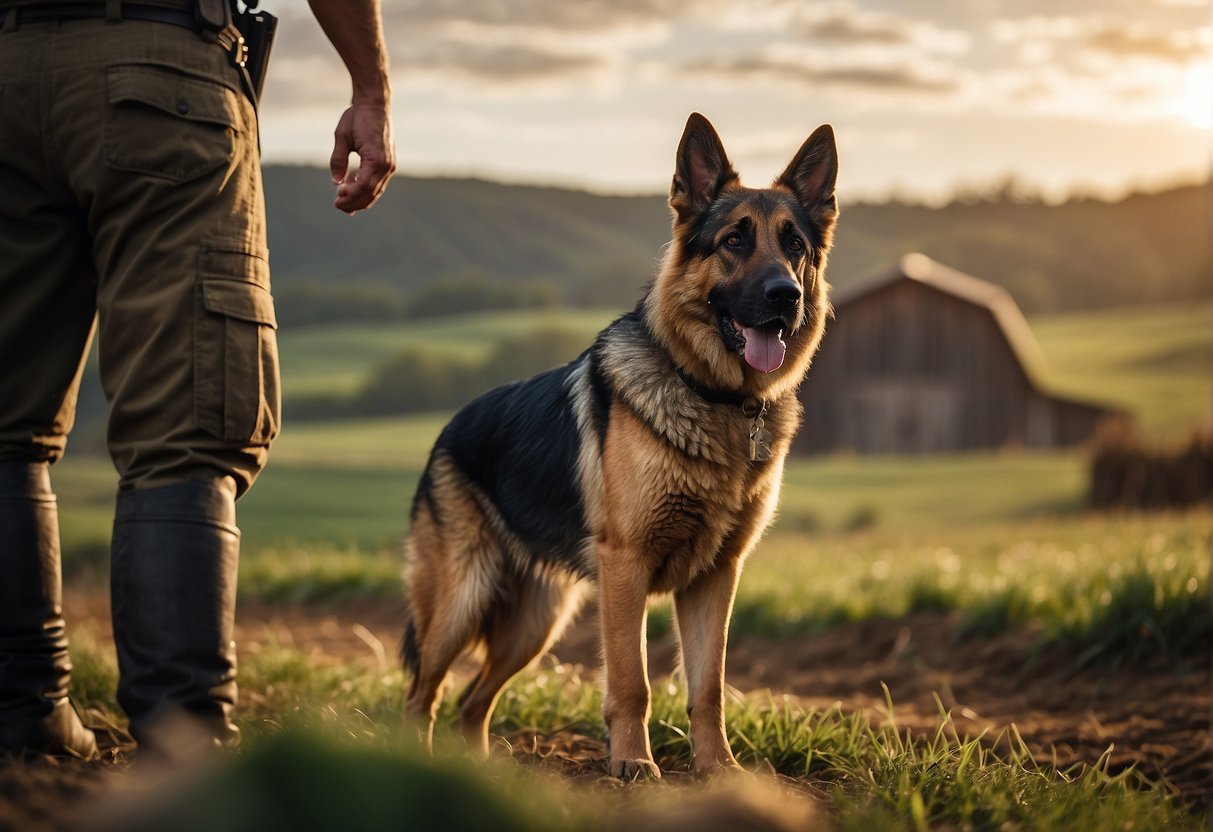
Their journey from pastoral Germany, where they herded livestock and protected homesteads, to becoming one of the most respected and diverse service dogs in the world is a testament to their intelligence, loyalty, and work ethic.
In roles ranging from law enforcement to disability assistance, German Shepherds have proven themselves to be indispensable companions.
But how did the German Shepherd make this incredible transition? It’s a tale as fascinating as the dogs themselves.
Their journey from pastoral Germany, where they herded livestock and protected homesteads, to becoming one of the most respected and diverse service dogs in the world is a testament to their intelligence, loyalty, and work ethic.
In roles ranging from law enforcement to disability assistance, German Shepherds have proven themselves to be indispensable companions.
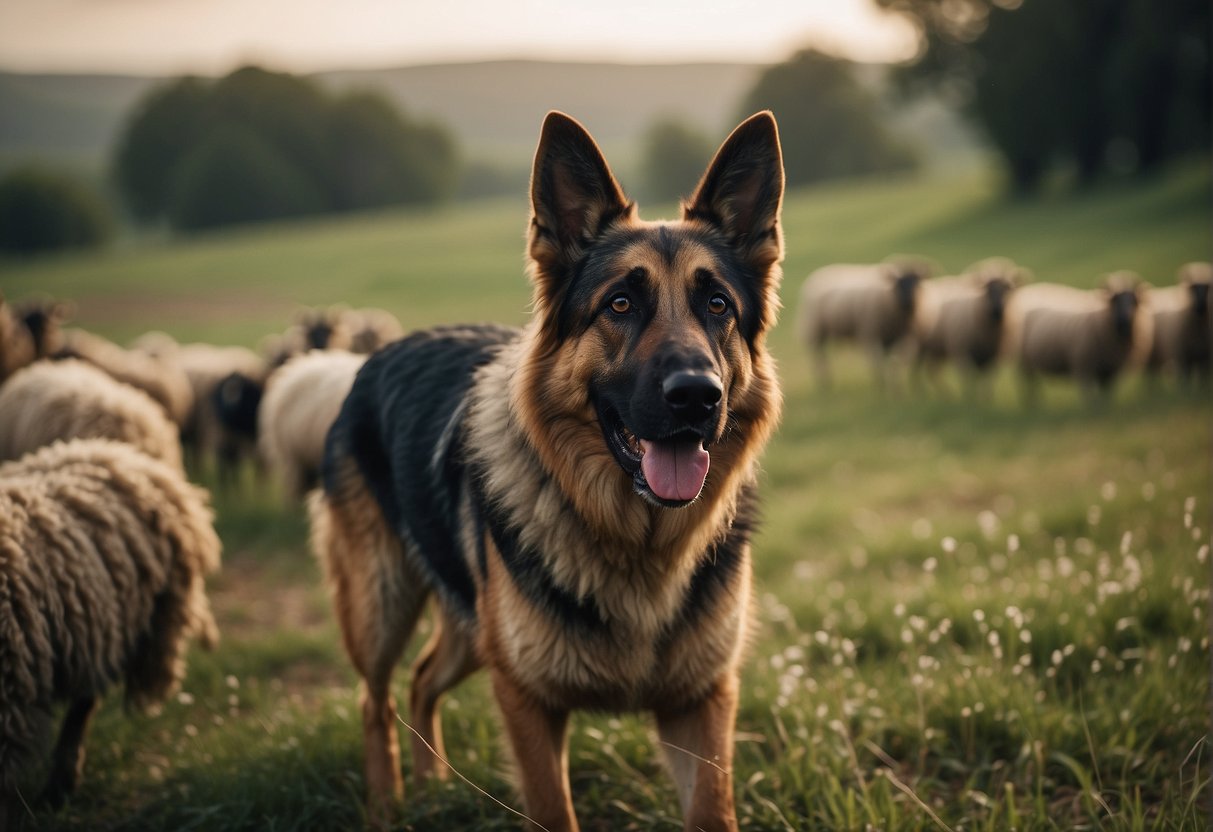
Origins of the German Shepherd
The German Shepherd is not just a breed; it’s a heritage stitched into the fabric of canine history. Originating in Germany in the late 19th century, these dogs quickly became renowned for their versatility and intelligence.
Breed Development
In the 1890s, Max von Stephanitz, a former German cavalry officer turned breeder, was determined to develop the ideal herding dog. This quest led to the birth of the German Shepherd. He sought a dog with unshakable character, intelligence, and physical prowess.
By selectively breeding local herding dogs from different districts in Germany, he created a standardized breed known as the Deutscher Schäferhund, which translates to “German Shepherd Dog” in English. The breed’s attributes became so valued that they were entered into the official breed register in 1899.
- Key Events in Breed Development:
- 1899: Von Stephanitz registers the first German Shepherd, Horand von Grafrath.
- Early 1900s: Breeding programs focus on traits vital for herding and utility work.
- 1910s: The breed’s versatility sees its use in military and police work expand.
Historical Uses
Initially bred for herding, the German Shepherd’s capacity to adapt and learn swiftly saw its roles expand dramatically. Their intelligence and prowess were harnessed in World War I for roles such as Red Cross dogs, messengers, and guards. It was through these varied wartime roles that the breed’s versatility was showcased to the world.
- Roles Throughout History:
- Herding livestock
- Acting as guard dogs
- Serving in war as messengers, rescuers, and sentries
- Working alongside police and search and rescue teams
Early Training Methods
When German Shepherds first began their working lives on farms, their training methods were rooted in practicality. What was needed, was an obedient, intelligent dog that could adapt to a variety of tasks, which led to some interesting early training approaches.
Foundation of Training
The fundamentals of German Shepherd training relied heavily on instinctual behaviors. Shepherds of the past would capitalize on these instincts to teach their dogs key commands and tasks.
Farmers used a combination of:
- Reward-based techniques
- Voice commands
- Hand signals
To communicate their wishes to the dogs. For example, they might use positive reinforcement like praise or treats to encourage a desired behavior, and dogs were often taught to respond to commands such as “come,” “sit,” or “stay” through consistent training sessions.
Moreover, training was an everyday part of life. German Shepherds learned by accompanying their owners throughout the day, observing and participating in farm work.
This consistent exposure and repetition of tasks naturally instilled a high level of obedience and understanding of numerous commands.
World War I Influence
With the onset of World War I, German Shepherds were recruited to serve due to their versatility and trainability. Military methods introduced during this time were prescriptive and included:
- Desensitization to loud noises and chaos
- Training for specific roles such as messenger, guard, and rescue dogs
- Rigorous obedience drills
To adapt to battlefield conditions, training had to be robust.
Dogs were introduced to gas masks and trenches to simulate wartime circumstances.
For messengers, agility in navigating diverse terrains was crucial, and dogs practiced relaying messages between troops through obstacles.
Modern Roles of German Shepherds
When you think of a German Shepherd, images of a sharp, courageous companion may spring to mind. These versatile dogs have evolved into a myriad of roles well beyond their farming origins.
Police Work
German Shepherds serve as reliable partners within police forces worldwide. Key responsibilities include:
- Crime prevention: Their intimidating presence often works as a deterrent.
- Detection work: They excel at sniffing out narcotics and explosives.
- Apprehension: They’re trained to safely and effectively control suspects.
For example, I recall a local police unit praising their German Shepherd for successfully locating a hidden stash of contraband during a routine sweep—a testament to their vital role in law enforcement.
Search and Rescue Operations
In search and rescue, German Shepherds are unsung heroes, often working in challenging environments:
- Natural disasters: They’re known for finding survivors in rubble after earthquakes.
- Missing persons: Their tracking skills can lead to swift recoveries in wilderness searches.
Their keen sense of smell and ability to navigate treacherous terrain make them indispensable.
It’s awe-inspiring to witness their dedication in the aftermath of a disaster, providing hope amidst chaos.
Assistance and Therapy Dogs
The intelligence and gentle temperament of German Shepherds have proven beneficial in assistance and therapeutic settings:
- Mobility assistance: They support individuals with physical disabilities, enhancing independence.
- Emotional support: Their presence can be calming, facilitating emotional connections in therapy.
I’ve seen the profound impact a German Shepherd can have when aiding someone in need. Observing these dogs interact with children and adults alike reveals their remarkable sensitivity and adaptability.
Breeding and Genetics
German Shepherds are known for their versatility and intelligence, but these traits come with a complex genetic backdrop that demands careful consideration.
Health Considerations
German Shepherd dogs (GSDs) present specific health challenges primarily related to their genetic pool. Here’s a brief overview:
- Hip and Elbow Dysplasia: These joint disorders are common in larger breeds and often hereditary in GSDs.
- Degenerative Myelopathy (DM): A neurological disease that affects older dogs, with a genetic test available to identify carriers.
- Gastric Dilatation-Volvulus (Bloat): Though not solely genetic, GSDs’ deep chests make them more susceptible.
Your vigilance in these areas is crucial. Always discuss these risks with breeders and your vet.
Selective Breeding Practices
Selective breeding has shaped the German Shepherd breed over generations. Here’s how responsible breeding practices help maintain their best qualities:
- Trait Selection: Focusing on temperament, intelligence, and working ability, not just appearance.
- Health Screening: Reputable breeders test for common genetic disorders and prioritize healthy breeding pairs.
- Avoiding Inbreeding: Careful record-keeping helps avoid genetic bottlenecks and maintains genetic diversity.
German Shepherds in Pop Culture
German Shepherds hold a special place not only in homes and on the field but also in the realm of entertainment. Their intelligence and noble demeanor have made them stars beyond the confines of their traditional roles.
Cinema and Television
On the silver screen and television, German Shepherds are often cast as heroes, loyal companions, or stalwart protectors. This showcases their versatility and strong connection with humans.
- Rin-Tin-Tin: An icon of the 1920s, this German Shepherd was a bona fide movie star who appeared in 27 Hollywood films, solidifying the breed’s place in cinematic history.
- Strongheart: Another early film star, Strongheart’s contribution to the breed’s on-screen heroism is unforgettable, with movies like “The Love Master.”
Noteworthy TV appearances:
- “Kommissar Rex”: This Austrian series followed a German Shepherd police dog, Rex, solving crimes — a testament to the breed’s intelligence.
- “Inspector Rex”: The same Rex character became beloved internationally, further establishing German Shepherds as pop culture mainstays.
Famous German Shepherd Dogs
German Shepherds have carved their names in history beyond the limelight as well, with real-life stories that are as moving as any fictional tale.
- Chips: A highly decorated WWII canine, Chips served with distinction and became synonymous with the bravery of military dogs.
- Buddy: The first formally trained guide dog in America was a German Shepherd, a testament to their capability to change lives.
Future of the Breed
When envisioning the future of German Shepherds, consider the exciting technological advances in training and the importance of conserving the purebred lineage.
Technological Training Advances
In the realm of training, German Shepherds are set to benefit greatly from cutting-edge technologies.
Tools such as virtual reality (VR) environments are already being tested, providing dogs with simulated scenarios that enhance their service abilities. For example:
- VR Headsets: Custom-designed for canines to simulate search-and-rescue missions.
- Smart Collars: Equipped with GPS and biometric sensors to monitor health and stress levels during training exercises.
Artificial Intelligence (AI) also promises to revolutionize training programs. With AI, training can be:
- Highly personalized, adapting to each dog’s learning pace.
- More consistent, delivering uniform commands and rewards.
Conservation of the Breed
The conservation of German Shepherds involves maintaining their esteemed qualities, such as intelligence, diligence, and loyal demeanor.
Breeders and enthusiasts are focusing on:
- Genetic Health Monitoring: Implementing DNA tests to screen for hereditary conditions.
- Breed Standards: Encouraging adherence to the breed’s original characteristics as per the Verein für Deutsche Schäferhunde (SV) guidelines.
By investing in ethical breeding practices, the German Shepherd community aims to ensure that the dogs not only retain their physical and mental traits but also lead healthy, fulfilled lives.
Remember, staying abreast of training advancements and participating in conservation efforts allows you to contribute to the German Shepherd’s legacy.
Have you considered how these future developments could enhance your bond with your shepherd?